

As the contradiction between electricity supply and demand becomes increasingly prominent, industrial and commercial users are facing the challenge of rising energy costs. The Industrial and Commercial Energy Storage System captures the regular characteristics of power grid operation, stores electricity during the valley period when electricity prices are low, and then releases it for use during the peak period when electricity prices are higher, forming a dynamic energy regulation mechanism. This transformation not only changes the traditional "buy as you use" energy consumption model, but also establishes an energy consumption economic model based on the time dimension. The system accurately calculates the price difference of electricity in different periods, and while ensuring production continuity, it shifts the load curve to the low-cost range and smoothes out peak electricity demand. Technological advances have enabled energy storage equipment to have rapid response capabilities. With the help of intelligent control systems, enterprises can simultaneously achieve the dual goals of optimizing energy structure and controlling operating costs.
Industrial and Commercial Energy Storage System Reconstructs Energy Use Model
The energy management of modern enterprises is undergoing intelligent transformation. The Industrial and Commercial Energy Storage System fundamentally changes the traditional electricity consumption model by dynamically adjusting the charging and discharging strategy. This system has built-in intelligent control equipment that can automatically store electricity during the valley period of low electricity prices and switch to the power supply mode during the peak period of electricity prices. Taking an industrial park as an example, 40% of its electricity demand during the peak production period during the day comes from low-priced electricity stored at night. This change alone reduces the monthly electricity bill by 18%. By real-time monitoring of grid load and electricity price fluctuations, the system can also automatically optimize the equipment operation period and adjust the start-up time of high-power equipment such as air compressors and cooling towers to the low electricity price range. This reconstruction of energy use strategy not only alleviates the peak pressure of the grid, but also allows enterprises to shift from passive electricity use to active electricity control.
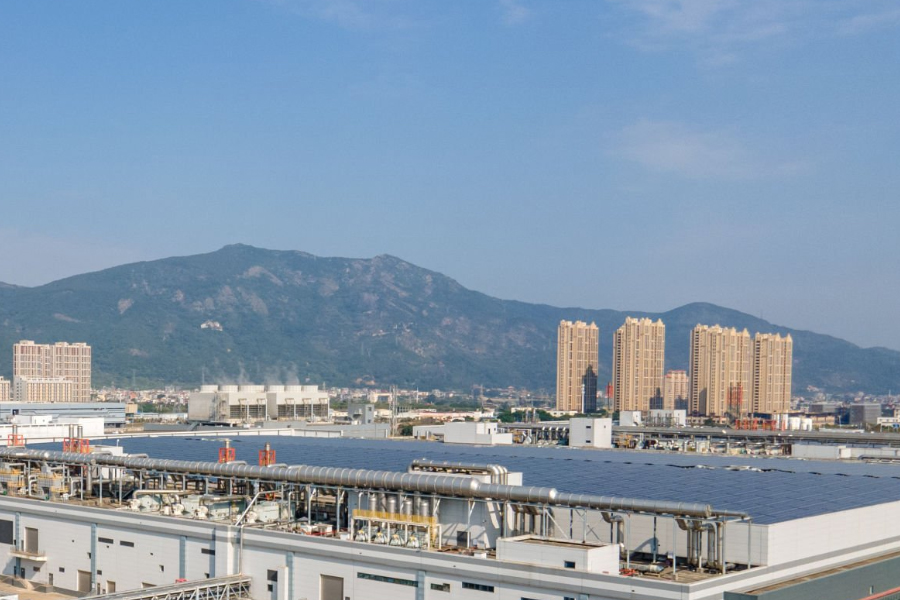
Analysis of valley-peak electricity price difference arbitrage strategy
In the power market, industrial and commercial users use energy storage systems to capture the valley-peak electricity price difference, which is the core path to reduce energy costs. Taking the typical daytime electricity price fluctuation as an example, the electricity price during the valley period is usually 40%-60% lower than the peak period. The energy storage equipment stores energy at a low price at night or during non-working hours, and releases the stored electricity during the peak electricity consumption during the day. This "buy low and use high" model directly reduces the proportion of enterprises purchasing electricity at high prices and achieves structural optimization of electricity expenditure. To improve arbitrage efficiency, the intelligent control system will dynamically adjust the charging and discharging sequence by combining historical electricity price data with real-time load demand. For example, when it is predicted that the price difference of electricity will widen the next day, the system can increase the energy storage capacity reserve in advance; if the load pressure of the power grid increases suddenly, the energy storage power will be called first to alleviate the peak demand. In this way, the enterprise not only avoids the impact of peak electricity prices, but also provides flexible adjustment space for the stability of the power grid.
Load optimization reduces electricity costs
On the basis of realizing electricity price difference arbitrage, the industrial and commercial energy storage system further improves energy efficiency through load optimization. By analyzing the enterprise's electricity consumption curve, the system automatically identifies the operating time of high-energy consumption equipment and transfers some non-emergency electricity demand to the valley period with lower electricity prices. For example, refrigeration units, air compressors and other equipment can complete the basic load preparation in advance during the night energy storage charging stage, thereby reducing the direct power consumption of the power grid during the peak power period during the day. This dynamic adjustment makes the overall load curve of the enterprise flat, avoiding the triggering of tiered electricity prices or capacity fees due to peak electricity consumption. With the rapid response characteristics of the energy storage device, the system can also automatically switch to the energy storage power supply mode when the grid load suddenly increases, preventing additional costs due to short-term overload. Data shows that through refined load management, industrial and commercial users can reduce peak power consumption by 15%-25%. After adding the benefits of the valley-peak electricity price difference, the comprehensive electricity cost reduction generally exceeds 30%.
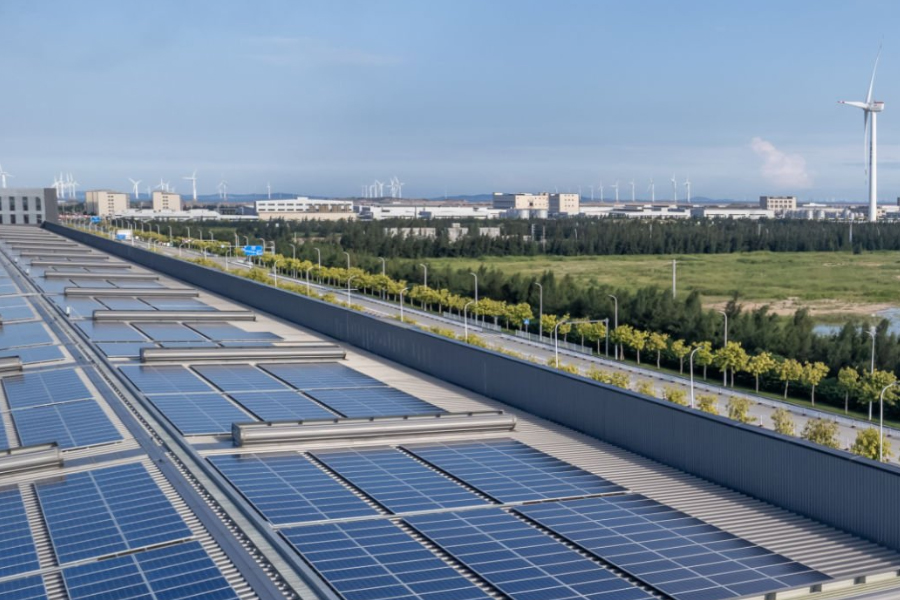
Energy storage technology reshapes the economic efficiency of enterprises
By flexibly allocating power resources, the energy storage system has built a new cost control framework for enterprises. When the nighttime electricity price drops to the valley value, the system automatically stores low-priced electricity; during the peak hours of electricity consumption during the day, these reserve energy can replace the high-priced city electricity. This "buy low and use high" operation mode not only directly reduces electricity bills, but also obtains additional benefits by participating in grid demand response. Taking an industrial park as an example, after installing energy storage equipment, the annual reduction in peak electricity price expenditure accounts for 22% of the total electricity cost, and the equipment investment payback period is shortened to 4.5 years. What is more noteworthy is that the intelligent linkage between the energy storage system and production equipment has achieved dynamic load adjustment, which has increased the overall power efficiency by more than 18%, providing quantifiable economic support for the sustainable development of enterprises.
As the market-oriented reform of electricity continues to advance, industrial and commercial energy storage systems are becoming an important tool for enterprise energy management. By accurately capturing the difference between valley and peak electricity prices, this technology not only achieves the time shift of electricity, but also builds a new energy consumption economic model - transforming the energy consumption that originally passively accepted the price adjustment of the power grid into a production factor that can be actively regulated. When enterprises dynamically match energy storage equipment with production loads, they can avoid excessive electricity bills during peak hours and obtain additional benefits by participating in auxiliary services in the electricity spot market. This two-way value creation model is redefining the energy use rules in the industrial and commercial fields and injecting new momentum into the development of the real economy.