

Modern energy management is undergoing technological innovation. Intelligent energy storage systems integrate artificial intelligence and cloud computing technologies to build dual capabilities of dynamic regulation and predictive analysis. Such systems can monitor changes in power supply and demand in real time, and automatically optimize the charging and discharging strategies of energy storage equipment by combining historical data and weather information. In industrial park scenarios, the system can identify peak power consumption periods and accurately release stored power to balance the load; in new energy power grids, it can predict fluctuations in photovoltaic and wind power generation and allocate energy storage capacity in advance. This intelligent regulation not only reduces the response delay of traditional power dispatching, but also provides dual guarantees for energy cost control and system stability by improving the utilization rate of energy storage units.
Core technology of intelligent energy storage system
The core breakthrough of modern energy storage equipment lies in the construction of a "smart brain" system. Through the deep integration of dynamic adjustment algorithms and cloud data processing, the system can capture grid load fluctuations in real time, just like a neural network with autonomous perception. When peak power consumption is detected, the device automatically starts the energy release program; during the valley period, it switches to energy storage mode. This two-way adjustment mechanism keeps the energy conversion process in the optimal state. More importantly, the power demand forecasting model established by the system through machine learning can predict regional power consumption trends 48 hours in advance, providing a scientific decision-making basis for equipment charging and discharging. In a certain automobile manufacturing park in Zhejiang, this technology reduces the number of daily charging and discharging times of energy storage equipment by 15%, while improving the effective utilization rate of energy storage units.
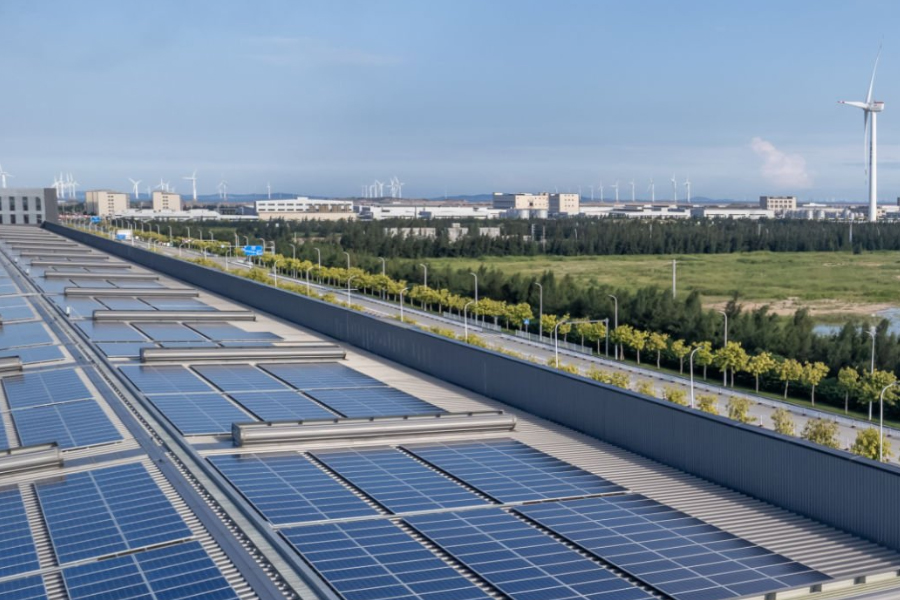
AI dynamic adjustment cloud prediction
The core of the intelligent energy storage system lies in real-time response capability. By deploying the AI dynamic adjustment module, the system can continuously analyze the grid load, weather changes and user electricity habits, process thousands of data per second and generate optimization solutions. Cloud prediction technology plays the role of "smart brain", using historical operation data and weather forecast information to simulate the operation status of the grid 48 hours in advance and accurately predict the peak and valley periods of electricity consumption. When dynamic adjustment and cloud prediction form a data closed loop, the energy storage equipment can automatically switch the charging and discharging mode - storing electricity in the valley period with lower electricity prices and releasing electricity in the peak period with surging demand. This two-way collaboration reduces the monthly electricity bill expenditure of a certain automobile manufacturing park by 19%, while controlling the average daily charging and discharging times of energy storage batteries within the healthy threshold.
Peak shaving and valley filling to reduce costs and increase efficiency
In modern power systems, energy storage equipment acts like a "smart reservoir". When the peak period of electricity consumption comes, the system automatically stores excess electricity; when the electricity consumption is low, the stored energy is released back to the power grid. This dynamic adjustment mode effectively balances the fluctuations in supply and demand and avoids the equipment loss caused by sudden changes in load in traditional power grids. By analyzing the historical electricity consumption curve through cloud-based prediction technology, the system can predict the regional electricity consumption trend 48 hours in advance and control the charging and discharging timing error of energy storage equipment within 15 minutes. For example, after applying this technology in a certain automobile manufacturing park, the annual peak electricity bill expenditure is saved by more than 3 million yuan, and the equipment maintenance cost is reduced by nearly 40%. What is more noteworthy is that the comprehensive use cost per kilowatt-hour is reduced by more than a quarter compared with the traditional solution, and the power conversion efficiency is stable at more than 90%, truly achieving the "low consumption, high output" operation goal.
Efficient management of electricity in industrial parks
In the dense production scenarios of industrial parks, the power consumption fluctuations caused by the frequent start and stop of equipment often lead to power waste and rising costs. The intelligent energy storage system dynamically generates customized power dispatching plans by deploying a real-time monitoring network and combining the operating data of production equipment with historical energy consumption curves. For example, when the injection molding machine group starts at the same time, the system gives priority to using energy storage equipment for power supply to avoid a short-term surge in the load of the power grid; and during the low power consumption period at noon, it automatically stores surplus power to provide a buffer for subsequent high-load periods. Through the linkage of AI and cloud prediction technology, the system can predict the changes in power consumption caused by production line adjustments 24 hours in advance, and accurately calculate the energy storage charging and discharging strategy to the access node of each transformer. This model reduces the overall peak-to-valley difference in power consumption in the park by 40%, reduces the idling power consumption of equipment by 18%, and extends the service life of power infrastructure.
Breakthrough in the efficiency of new energy power grids
Faced with the volatility of clean energy such as wind power and photovoltaics, the intelligent energy storage system automatically adjusts the power storage strategy by analyzing meteorological data and power generation curves in real time. When the wind suddenly weakens or clouds block the photovoltaic panels, the system can switch to the backup power storage module within 500 milliseconds to ensure the continuous and stable operation of the power grid. For example, in a wind-solar complementary power station in the northwest, the system reduces the wind and solar curtailment rate from 15% to less than 4%, which is equivalent to delivering 32 million kWh of green electricity per year. At the same time, the regional energy model established in the cloud can predict the changes in supply and demand in the next 72 hours, coordinate multiple energy storage sites in advance for power dispatch, and increase the overall utilization rate of the power grid by 19%, providing key technical support for large-scale new energy grid connection.
By deeply integrating intelligent energy storage systems with AI dynamic adjustment technology, power management is undergoing a silent transformation. Cloud prediction technology is like an accurate weather forecaster, capturing the trend of grid load changes in advance, so that the operation error of energy storage equipment during low electricity price periods and peak periods is reduced to minutes. This combination of technologies not only reduces the waste of millions of kWh of electricity in industrial parks every year, but also improves the grid connection stability of new energy such as wind power and photovoltaics by more than 40%. When the system cycle efficiency exceeds the 90% threshold, it means that the circulation loss of each kWh of electricity is only one-sixth of that of the traditional solution. This change is reshaping the economic model of energy use and laying the key technical foundation for building a zero-carbon power grid.