

Energy storage systems are becoming an important tool for efficient energy utilization in homes and commercial places. In residential scenarios, energy storage devices are usually combined with rooftop photovoltaics to help residents store backup power during peak power consumption at night or when the power grid is out of power. Commercial scenarios pay more attention to electricity cost control, such as storing electricity during low-price periods and releasing electricity during peak power consumption periods to reduce overall operating costs. This article will start from the core links such as photovoltaic supporting design and peak-valley electricity price strategy application, analyze the differences in technical selection of energy storage systems in different scenarios, and demonstrate the correlation between equipment configuration and economic benefits through actual case comparison. At the same time, the dynamic adjustment function of the intelligent energy management system will further reveal the key role of energy storage equipment in improving energy utilization efficiency.
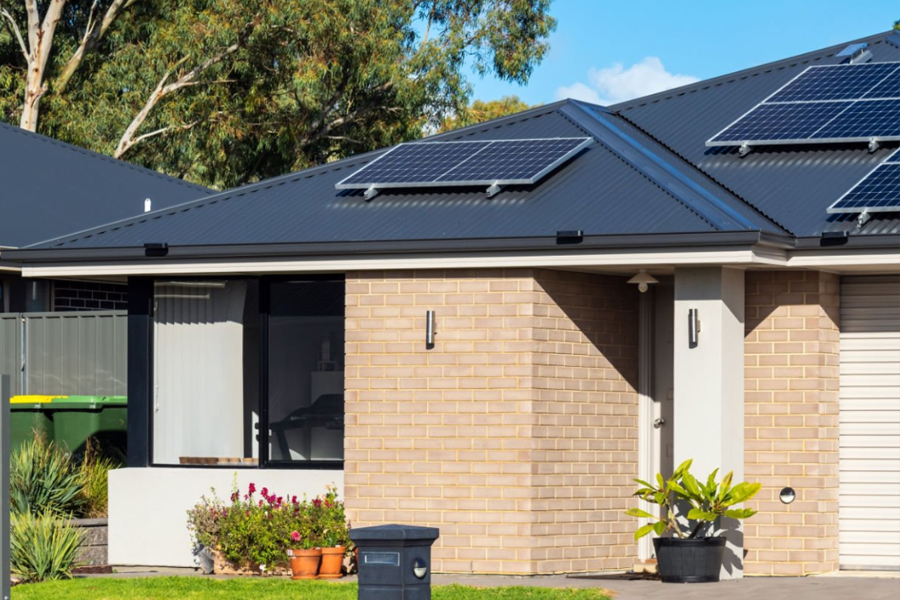
Residential and commercial energy storage application areas
In home scenarios, residential energy storage systems are often used in conjunction with rooftop photovoltaic equipment. The electricity generated by photovoltaic power generation during the day can be stored in lithium battery packs for nighttime lighting and household appliances, or for responding to sudden power outages. The peak-valley electricity price policy implemented in some areas enables household users to charge and discharge during low-cost periods and peak periods, reducing monthly electricity bills by 15%-30%. In the commercial field, energy storage systems are mainly distributed in power-intensive places such as shopping malls, office buildings, and industrial areas. For example, chain supermarkets are equipped with 500kWh energy storage equipment to release stored energy during peak load periods of the power grid, reducing the cost of transformer expansion; factories use energy storage systems to stabilize voltage fluctuations and ensure the safe operation of precision instruments. With the popularization of smart meters and energy management platforms, energy storage systems can also achieve remote monitoring and automatic charging and discharging scheduling, further improving energy utilization efficiency.
Key points of energy storage system technical configuration
After clarifying the use scenarios of energy storage systems, the rationality of technical configuration is directly related to its operating efficiency and economy. For residential scenarios, the battery power is generally based on the daily power consumption of the household, combined with photovoltaic power generation, such as configuring a 5-10kWh lithium phosphate battery pack and combining a bidirectional inverter to achieve power conversion. Commercial scenarios need to consider greater power requirements, adopt modular design to improve scalability, and introduce liquid cooling technology to support the stability of large-capacity battery stacks. Key parameters, such as the deep charge and discharge (DOD) need to be kept within 80% to extend the service life, and battery types with more than 6,000 cycles are more suitable for high-frequency commercial environments. In addition, the intelligent control system needs to adapt to the time-of-use electricity price strategy and achieve cost optimization by dynamically adjusting the charging and discharging sequence, such as storing energy during low electricity tariff periods and releasing electricity during peak periods. In terms of safety, IP65 protection grade housing and thermal runaway warning module have become standard configurations to ensure the reliability of the system in extreme environments.
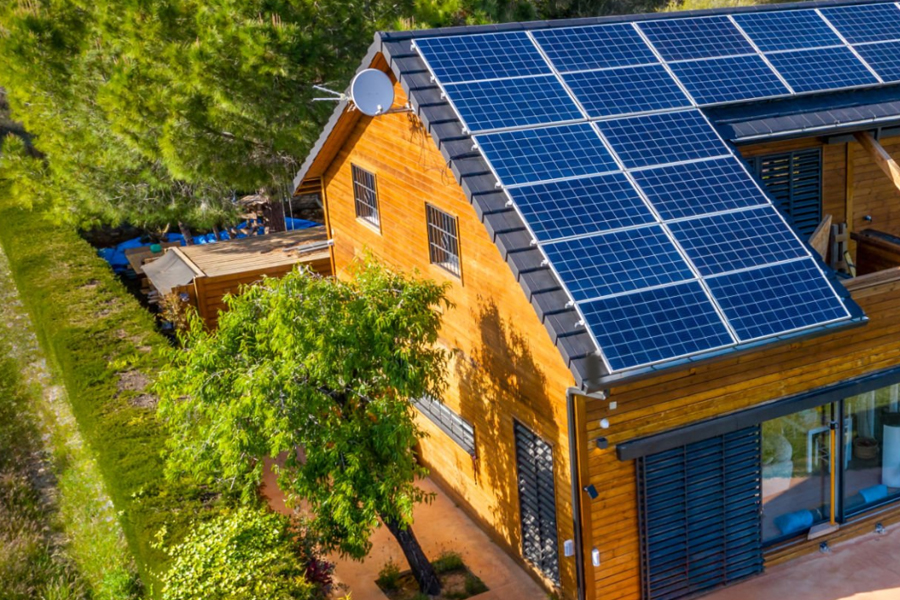
Typical case comparison of energy storage economy
Take the household photovoltaic energy storage project as an example, equipped with 10kWh lithium battery and 5kW inverter, the initial investment is about 35,000 yuan. With an average daily power consumption of 20kWhh and a peak-valley power price difference of 0.8 yuan/kWh, the system can save 5,200 yuan in electricity bills each year through night charging and daytime discharge, and the investment payback period is about 6.7 years. In contrast, a commercial center chose a 200kWh energy storage system combined with a dynamic load control module, with an initial cost of about 450,000 yuan. Relying on a larger scale of peak-valley arbitrage space and intelligent control algorithms, the project saves 120,000 yuan in electricity bills each year, while reducing the transformer expansion cost by 300,000 yuan, and shortening the comprehensive payback period to less than 4 years. The two situations show that due to large-scale electricity consumption and complex load requirements, commercial scenarios are more likely to achieve efficient returns through energy storage systems, while household users need to combine local subsidy policies to improve the economic model.
Intelligent energy management efficiency improvement path
Improving the operating efficiency of energy storage systems through intelligent means has become a key breakthrough direction. Modern energy management platforms have built-in dynamic algorithms that can monitor electricity demand and energy storage equipment status in real time and automatically adjust the charging and discharging rhythm. In residential scenarios, the system can adjust the photovoltaic energy storage ratio according to weather forecasts and connect with smart sockets to achieve peak operation of high-power appliances such as air conditioners and water heaters. Commercial places prepay electricity through load forecasting models, give priority to using peak energy storage power sources, and reduce transformer capacity costs. Some management systems also provide energy consumption analysis reports to help users find electricity consumption stages to be optimized, such as equipment standby power consumption or lighting time settings. With the development of Internet of Things technology, remote monitoring and strategic automatic update functions have further enhanced the adaptability of the system, so that energy storage equipment is always in the best operating state.
Energy storage systems have shown significant practical value in residential and commercial scenarios. Through the integration of photovoltaic supporting facilities and peak-valley electricity price strategies, home users can reduce electricity bills while improving electricity autonomy; commercial places can effectively balance production energy consumption and operating costs with the help of modularization and intelligent control. Actual operation data shows that reasonable selection and dynamic optimization of energy management modes can shorten the investment recovery cycle, whether it is an integrated solution for rooftop photovoltaic energy storage or large-scale energy storage equipment in industrial parks. With the continuous iteration of energy storage technology and the continuous improvement of electricity price policies, the system will play a more critical role in improving energy utilization efficiency and power supply stability.