

With the acceleration of energy structure transformation, the industrial and commercial energy storage system is becoming an important way for enterprises to optimize energy use methods. According to real-time monitoring of power supply and demand fluctuations, intelligent adjustment of charging and discharging strategies, and effective balance of the cost pressure caused by the difference in peak and valley electricity prices, customized solutions are provided for scenes such as manufacturing, logistics, and commercial plazas. Its modular architecture design not only meets the differentiated needs of factory reconstruction and park transformation, but also seamlessly connects with distributed photovoltaic, charging piles and other facilities to form a convenient and efficient energy network. In addition, the system's built-in multi-level safety protection system and emergency power backup function can significantly reduce the impact of sudden power outages on the production process. Driven by the "dual carbon" goal, the industrial and commercial energy storage system helps enterprises actively connect with green electricity consumption policies, improves carbon footprint management based on energy storage capacity configuration, and provides underlying support for the construction of new power systems.
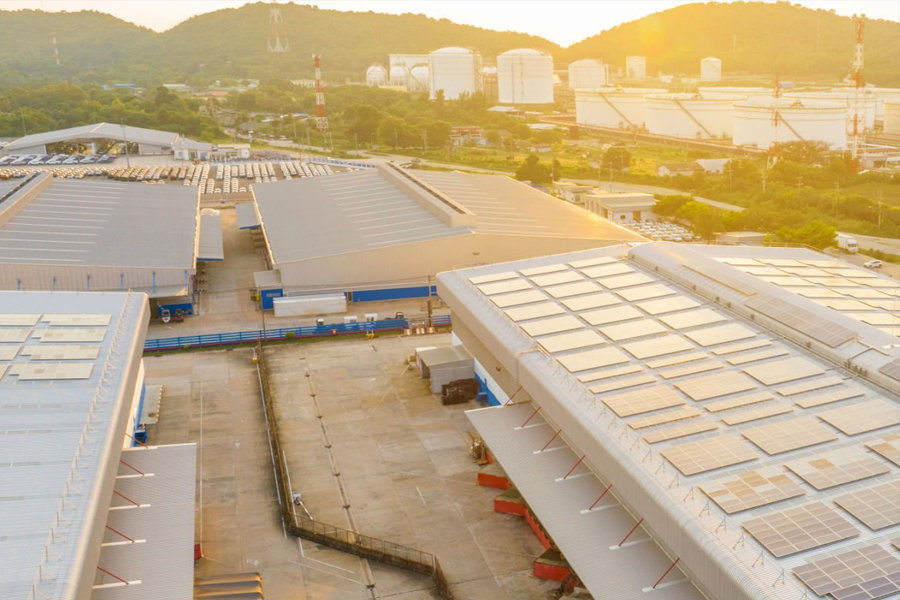
Advantages of industrial and commercial energy storage system cost control
Based on intelligent control technology, the industrial and commercial energy storage system can optimize the electricity cost of enterprises to a new level. The core is to accurately capture the fluctuations of electricity charges, store energy at a low price when the grid load is low, and release the stored energy during peak hours. A single charge and discharge can achieve a profit from the difference in electricity charges. Taking the Yangtze River Delta region as an example, after enterprises adjusted their electricity consumption behavior through energy storage systems, their annual energy expenditures were reduced by 15%-25%. At the same time, the system sets up an intelligent load management module that can automatically identify equipment power priority and increase the efficiency of power distribution by more than 30%. According to data, manufacturers equipped with 200kW/400kWh energy storage units can reduce transformer capacity costs by more than 1,000 yuan per day. In addition, the service life and rapid response characteristics of energy storage equipment are nearly 6,000 times, making enterprises more flexible in dealing with power market reforms.
Modular energy storage adapts to multiple scenarios
The modularization of industrial and commercial energy storage systems breaks through the space and capacity limitations of traditional energy equipment, and energy storage modules can be flexibly configured according to the actual power requirements of enterprises. In industrial areas, commercial plazas, logistics warehouses and other scenarios, energy storage modules are suitable for random matching and expansion, which can not only meet the needs of large-scale centralized electricity consumption, but also integrate into the fragmented layout of distributed energy stations. This design significantly reduces the need for site installation, and rooftops, basements or idle spaces can be quickly deployed, without the need for overall shutdown and transformation during expansion. For enterprises with frequent or regular changes in electricity consumption during processing, modular energy storage systems can dynamically match power supply levels according to the number of adjustment modules, and cooperate with management system software to instantly coordinate the working environment of each module to ensure the best solution for power supply reliability and energy efficiency in different scenarios.
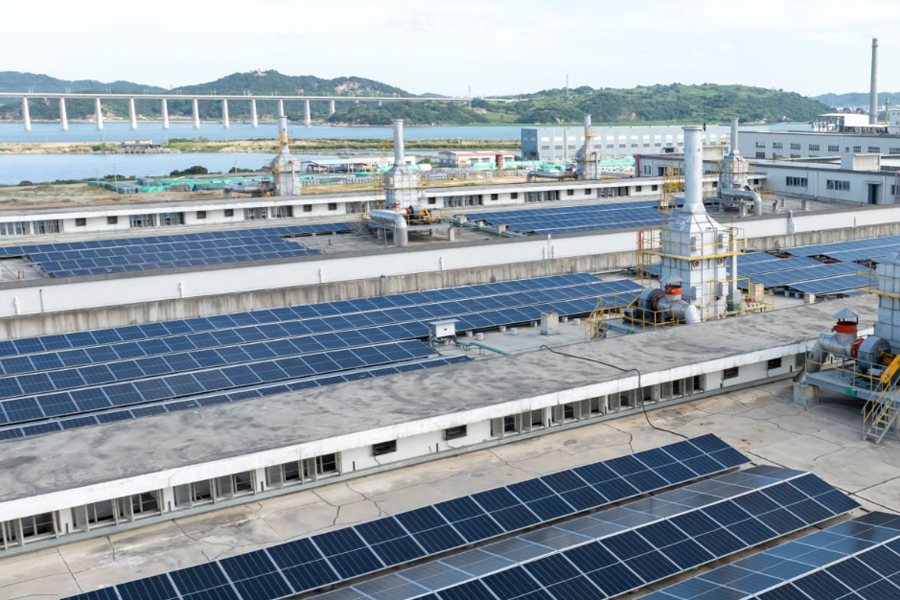
Emergency power supply ensures the continuity of manufacturing
In industrial production and operation scenarios, the stability of energy supply is directly related to the operating efficiency and business continuity of equipment. The industrial and commercial energy storage system is equipped with intelligent conversion modules, which can operate backup power in ms when the power grid suddenly loses power or the voltage fluctuates, avoiding production line stagnation and damage to precision equipment. For example, during power outages in the region caused by extreme weather or during the maintenance period of the power grid, the system maintains the operation of key machines by prepaying electricity, reducing the risk of production interruption by more than 60%. At the same time, its multi-level protection mechanism can adapt to highly sensitive load scenarios such as instrumentation equipment and medical equipment to ensure voltage and frequency output accuracy ±1% of the national standard. This kind of active defense level not only reduces the direct economic losses caused by power accidents, but also establishes a "safety redundancy layer" for power supply, improves supply chain reliability and customer performance reputation, and provides bottom-level applicability for long-term business resilience.
Green power transformation enhances corporate competitiveness
With the implementation of global carbon peak and carbon neutrality goals, the proportion of green power has become a key indicator for considering sustainable development capabilities. By integrating renewable energy such as photovoltaics and wind power, industrial and commercial energy storage systems convert intermittent green power into stable and adjustable energy reserves, helping companies to increase grid connection capacity limits. In the green power quota trading mechanism implemented in many places, companies equipped with energy storage facilities can flexibly participate in the spot market of the power market, convert abundant green power into carbon assets or direct tax energy indicators, and significantly reduce compliance costs such as carbon tariffs and energy trading. More importantly, energy structure improvement plans that meet ESG (environmental, social, and governance) standards can not only obtain government special subsidies and green financial applications, but also create a responsible corporate image and have personalized competitive advantages in supply chain audits and international order markets.
Generally speaking, based on technology integration and scenario compatibility, industrial and commercial energy storage systems are reshaping the energy management logic of enterprises. Its core value is not only reflected in short-term economic benefits, such as direct cost optimization brought about by peak-valley electricity price arbitrage, but also in building a long-term sustainable energy elastic system. With the deepening of power market reform and the increase in the share of renewable energy, enterprises are increasingly in need of dynamic electricity price response, power supply reliability and carbon management capabilities. Based on flexible charging and discharging solutions and intelligent control technologies, promote the efficient operation of corporate energy assets; modularization and multi-scenario compatibility provide scalable solutions for users of different sizes and fields. Driven by both policies and markets, this method will become a key fulcrum for enterprises to participate in the construction of new power supply systems and carry out low-carbon competitiveness.