

Industrial and commercial energy storage system: an essential tool for energy management in these five scenarios
As energy costs continue to rise, industrial and commercial energy storage systems are becoming the core equipment for enterprises to reduce costs and increase efficiency. This intelligent energy storage equipment accurately solves the three major pain points of industrial and commercial scenarios through the time and space transfer of electric energy: peak and valley differences in electricity prices, power supply reliability, and new energy consumption.
The deployment value of industrial and commercial energy storage systems is determined by three dimensions:
Electricity cost sensitive: scenarios with large daily average electricity consumption and significant peak-valley price differences
Power supply stability rigid demand: scenarios where production interruptions will cause significant losses
Green electricity consumption pressure: scenarios with distributed energy sources such as photovoltaics/wind power
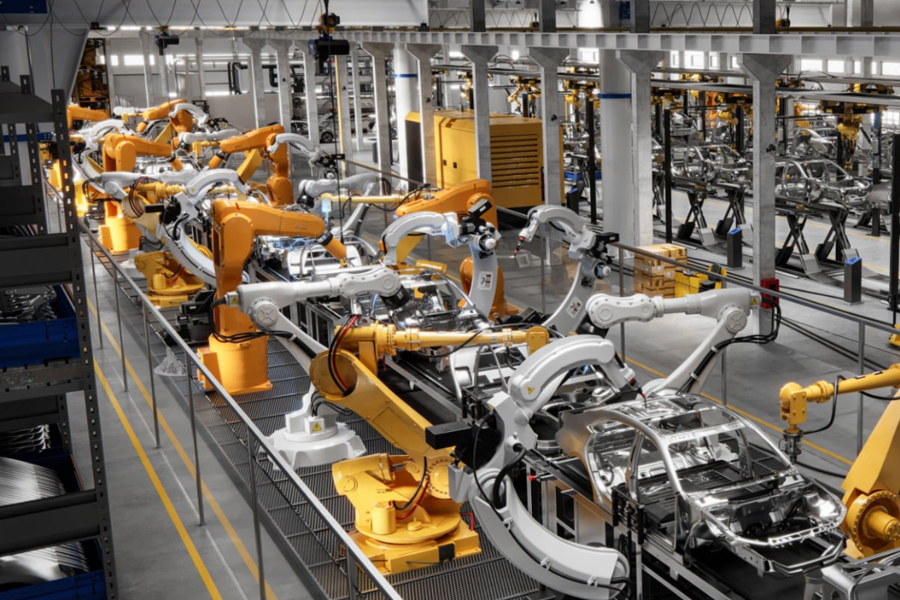
Analysis of five typical application scenarios
1. Manufacturing factories
Use energy storage equipment to charge during valley hours and discharge during peak hours
Reduce transformer capacity costs and relieve power load pressure
Ensure continuous operation of key production lines during sudden power outages
2. Commercial complexes
Smooth out the start-stop impact of high-power equipment such as air-conditioning systems
Reduce overall electricity costs through peak-valley arbitrage mechanisms
Serve as an emergency power supply to ensure the operation of fire protection systems
3. Data centers
Provide millisecond-level power backup to prevent data loss
Filter grid fluctuations to ensure the safety of precision equipment
Participate in demand response to obtain additional benefits
4. New energy power stations
Solve the intermittent problem of photovoltaic power generation
Increase the self-generation and self-use rate to reduce the loss of abandoned light
Smooth the grid-connected output curve
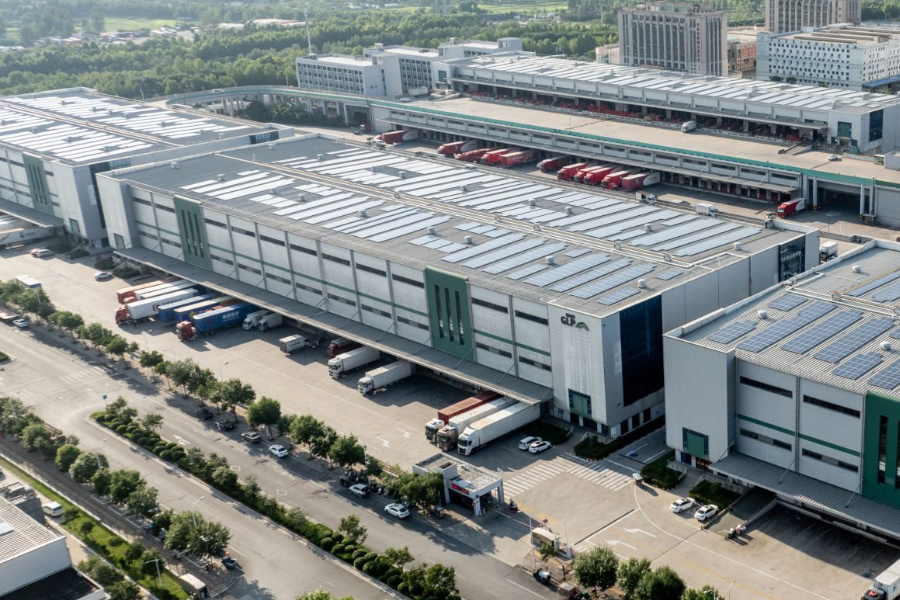
5. Logistics and warehousing center
Cooperate with the cold chain system to achieve staggered operation
Reduce the impact of refrigeration equipment start-up and stop on the power grid
Ensure that the cold chain is uninterrupted
Why does the applicability continue to improve?
Economic model matures: With the decline in equipment costs, the investment payback period in most regions has entered the acceptable range for enterprises
Policy mechanism improvement: Time-of-use electricity price policies in various places have expanded the peak-valley price difference, and demand response subsidies have continued to increase
Technical adaptation is enhanced: modular design meets 200kW-20MW flexible configuration, and intelligent EMS system achieves strategy optimization
In summary, industrial and commercial energy storage systems have leapt from a simple cost-saving tool to a core strategic asset for corporate energy management and sustainable development. Its outstanding value in the five major scenarios of manufacturing, commerce, data centers, new energy power stations and logistics warehousing - peak shaving and valley filling to reduce costs, ensure power supply safety, and promote green electricity consumption - is in line with the current era of high electricity prices, high reliability needs and low-carbon transformation requirements. With the continuous decline in equipment costs, the deepening of time-of-use electricity price mechanisms and the maturity of modular intelligent technologies, the economy and applicability of energy storage systems have ushered in explosive growth. Investing in industrial and commercial energy storage is not only a "must-have weapon" for enterprises to cope with energy challenges, but also a key step in laying out future competitiveness and building a more resilient, low-carbon, and efficient energy system. Embracing energy storage technology is to inject strong momentum into the stable operation and green development of enterprises.