

In the critical window period of energy transformation and market-oriented reform of electricity prices, industrial and commercial energy storage systems are leaping from marginal auxiliary equipment to the core infrastructure of enterprise energy management. This intelligent solution integrating battery packs, PCS converters, and energy management systems (EMS) reconstructs the enterprise electricity consumption curve through the operation strategy of valley charging and peak discharge. Behind its explosive growth is the coordinated drive of the four engines of policy, economy, technology, and market.
Policy dividends build the cornerstone of development
The national level positions new energy storage as a strategic support for the energy revolution, and the "14th Five-Year Plan" New Energy Storage Development Implementation Plan clarifies the application scenarios of industrial and commercial energy storage. Local supporting policies form a combination of punches:
● Economic incentives: Jiangsu/Guangdong and other places subsidize energy storage projects according to discharge volume
● Mechanism innovation: Zhejiang promotes virtual power plants to participate in electricity spot market transactions
● Mandatory configuration: Shandong requires new photovoltaic projects to be equipped with energy storage in proportion
The policy orientation is shifting from simple subsidies to a dual-track drive of "market mechanism + entry threshold"
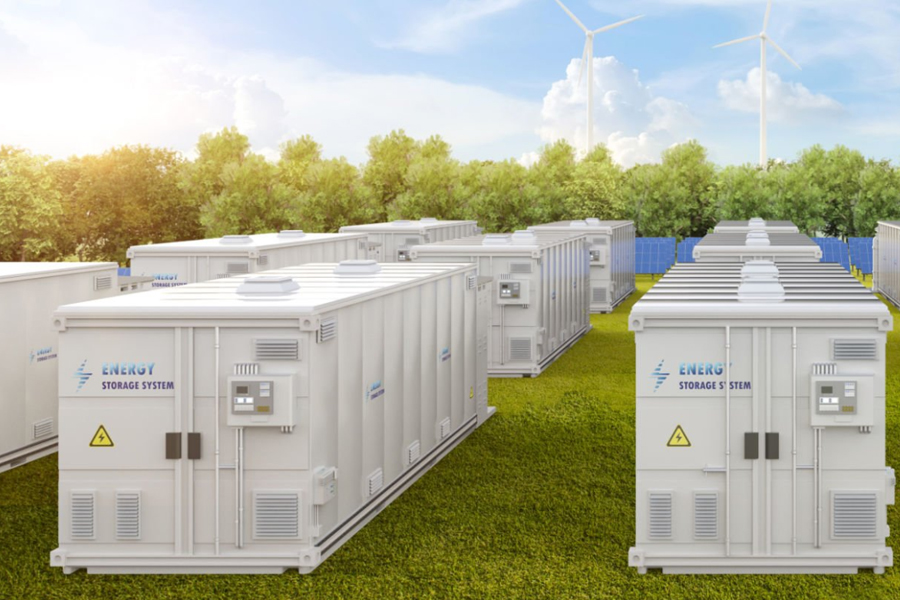
The economic model realizes multi-dimensional income generation
The modern industrial and commercial energy storage system has built a clear profit matrix:
1. Electricity fee optimization layer
● Peak-valley price difference arbitrage: use intraday electricity price fluctuations to obtain basic income
● Capacity electricity fee reduction: Smooth the highest demand and reduce the basic transformer fee
2. Electricity trading layer
● Demand response: Respond to the peak load regulation command of the power grid to obtain compensation fees
● Ancillary services: Provide technical services such as reactive power compensation and voltage support
3. Green value layer
● Improve the green power consumption rate: store excess photovoltaic power generation to achieve 100% self-use
● Carbon asset appreciation: build a zero-carbon factory to obtain the advantage of carbon tariff exemption
Technological breakthroughs clear application barriers
1. Cost reduction
● The energy density of lithium iron phosphate batteries has been increased to 180Wh/kg, and the system cost has been reduced by 60% compared with lead-acid batteries
2. Safety upgrade
● Three-level protection system: cell-level pressure relief valve → module-level aerosol → system-level water firefighting
● Digital twin monitoring: millisecond-level acquisition and analysis of parameters such as temperature/voltage/internal resistance
3. Intelligent evolution
● Load forecasting algorithm: Optimize charging and discharging strategies based on historical data and weather forecasts
● Cloud-edge collaborative control: local EMS execution guarantee + continuous iteration of cloud-based strategies
Market demand shows structural growth
● Manufacturing enterprises: emergency backup power needs to cope with orderly power consumption
● Data centers: meet 99.99% uptime power guarantee
● Commercial entities: achieve LEED-certified green building requirements
● Logistics hub: Supporting rapid energy replenishment of electric forklifts/AGVs
The payback period of typical application scenarios has been compressed to 4-6 years, driving the annual compound growth rate of installed capacity to exceed 60%
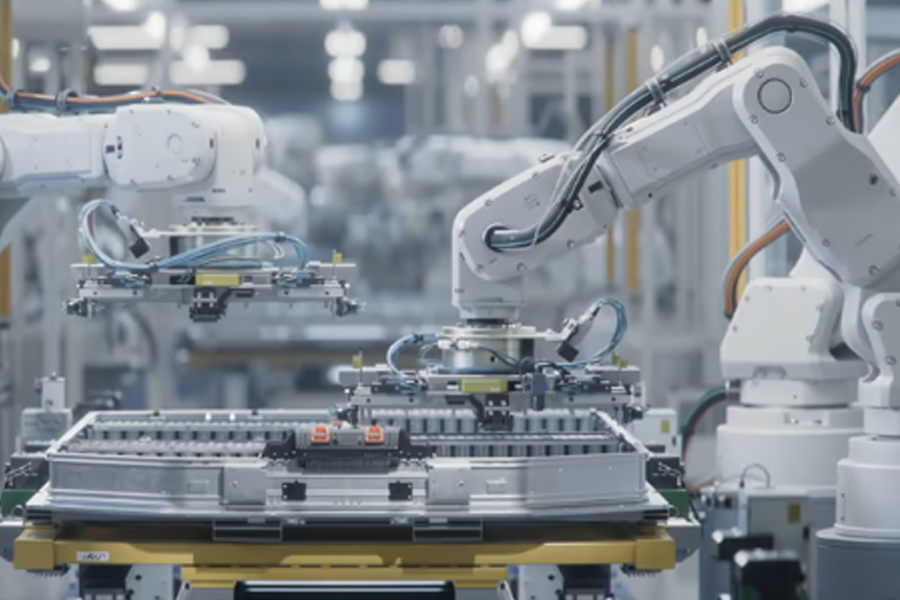
The industry ecosystem matures and accelerates popularization
Capital parties innovate "energy storage loan" financial products to achieve zero down payment equipment investment and construction; equipment vendors launch energy storage capacity leasing models to reduce user risks; system integrators provide energy hosting services and share revenue sharing. This "technology + capital + service" iron triangle model completely reconstructs the value chain of industrial and commercial energy storage.
With the nationwide promotion of the electricity spot market, industrial and commercial energy storage systems will transform from cost centers to profit centers. Its position as the core hub of enterprise microgrids will continue to strengthen, and eventually become the standard configuration of smart factories and zero-carbon parks.