

With the popularization of renewable energy and the diversification of electricity demand, residential energy storage systems are becoming key equipment for modern families to achieve energy self-management with their flexibility and efficiency. This article will analyze how residential energy storage systems can help families optimize their electricity consumption patterns and improve energy utilization from four dimensions: the core role of the system, the core component structure, the key technical processes and process advantages.
The core role of residential energy storage systems
The residential energy storage system provides multiple practical values for home users by storing electricity and realizing intelligent scheduling:
1. Improve the self-use rate of photovoltaic power
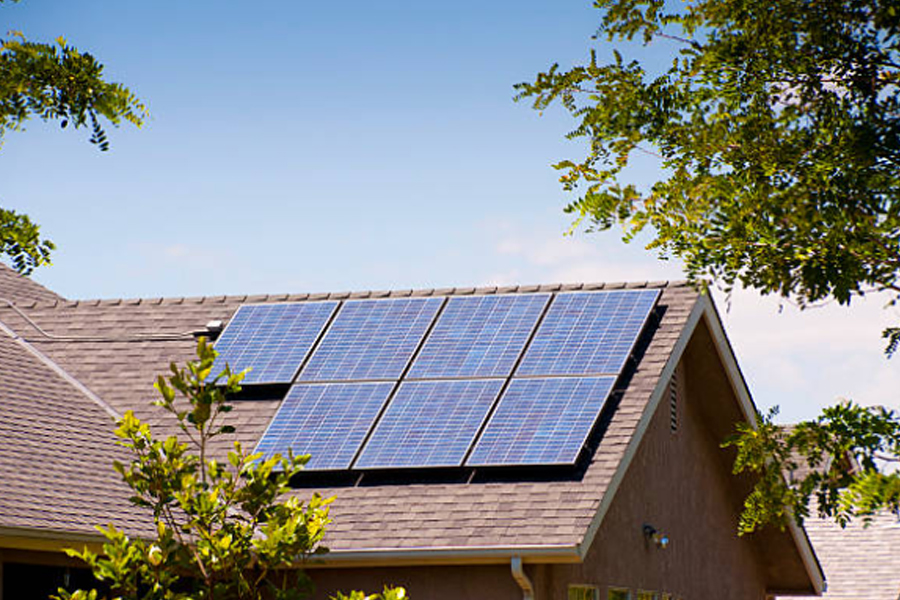
When used in conjunction with the rooftop photovoltaic system, the energy storage device can store the surplus electricity generated by photovoltaic power during the day for use at night or on rainy days, reducing dependence on the power grid and maximizing the utilization rate of clean energy.
2. Reduce household electricity costs
Combined with the time-of-use electricity price policy, the system charges during the low electricity price period and discharges during the peak period, effectively balancing the electricity load and reducing electricity bills.
3. Ensure emergency electricity safety
In the event of power outages or extreme weather scenarios, the energy storage system can provide backup power for key loads such as lighting, refrigerators, and communication equipment, enhancing the family's ability to resist risks.

Main components of residential energy storage systems
A complete residential energy storage system usually includes the following core components:
1. Energy storage battery pack
● Function: The core unit for storing electrical energy. Common types include lithium-ion batteries, lithium iron phosphate batteries, etc.
● Features: High energy density, long cycle life, and compact design suitable for home scenarios.
2. Bidirectional inverter
● Function: Realize bidirectional conversion between DC and AC, and coordinate the energy flow between photovoltaic power generation, energy storage batteries and household loads.
● Features: High efficiency conversion (>95%), support grid-connected and off-grid mode switching.
3. Battery Management System (BMS)
● Function: Real-time monitoring of battery voltage, temperature and health status, and optimization of charging and discharging strategies.
● Features: Multi-layer safety protection mechanism to prevent overcharging, over-discharging and short-circuit risks.
4. Energy management platform
● Function: Visualize electricity consumption data, remote control and mode setting through APP or smart terminals.
● Features: Support AI algorithm to predict electricity demand and automatically switch to the optimal operation strategy.
Core technology of residential energy storage system
To ensure safety, efficiency and service life, residential energy storage system adopts the following key technologies and processes:
1. High-precision battery management technology
● Key points of technology: Adopt multi-level balancing circuit and AI prediction model to dynamically adjust the working state of battery cells.
● Advantages: Delay battery attenuation, improve the consistency of energy storage units, and extend the life of the overall system.
2. Intelligent temperature control and heat dissipation design
● Key points of technology: Built-in temperature sensor and variable frequency fan, combined with thermal conductive materials to achieve precise temperature control in different zones.
● Advantages: Maintain the optimal operating temperature of the battery (20-30℃) to avoid capacity attenuation in high temperature environment.
3. Modular and scalable architecture
● Key points of technology: Standardized battery module design, supporting parallel expansion and independent replacement.
● Advantages: Flexibly match changes in household electricity demand and reduce later upgrade costs.
4. Multiple safety protection mechanisms
● Key points of technology: Integrated electrical isolation, flame retardant materials, lightning protection and leakage protection devices.
● Advantages: Passed UL, IEC and other international safety certifications to ensure no fire hazards under extreme working conditions.
Differentiated advantages of core processes
Through the coordinated optimization of the above processes, residential energy storage systems have the following competitiveness:
1. Significantly improved operational stability
Intelligent temperature control and BMS technology can control the temperature difference of the battery pack within 5°C, avoid performance degradation caused by local overheating, and ensure stable operation of the system in an environment of -20°C to 50°C.
2. Full-cycle economic optimization
The modular design reduces equipment idle loss. Combined with battery health management technology, the overall service life of the system is increased by about 30% compared with traditional solutions, reducing maintenance and replacement frequency.
3. Enhanced installation adaptability
The compact structure (common size ≤1m²) and wall-mounted/floor-mounted dual-mode design can be adapted to a variety of family spaces such as garages and basements to meet the installation needs of different apartment types.
Residential energy storage systems are promoting the transformation of household energy consumption models to intelligent and low-carbon through technological innovation and scenario-based design. When selecting a system, it is recommended to focus on core indicators such as battery type, temperature control efficiency, safety certification and expansion flexibility to achieve long-term and reliable energy management benefits.