

The core role of new energy storage cabinets
New energy storage cabinets are an integrated energy storage system that plays multiple roles in the power system by efficiently storing and managing electric energy. Its main functions can be summarized as follows:
1. Balance and regulation of power supply and demand
In new energy power generation scenarios such as photovoltaics and wind power, power generation is easily affected by factors such as weather and time periods, and there are fluctuations and intermittent. Through real-time charge and discharge management, energy storage cabinets can smooth out power fluctuations on the power generation side and the power consumption side and improve the stability of the power grid.
2. Economic optimization of peak and valley electricity prices
For industrial and commercial users, energy storage cabinets can charge during low electricity price periods and discharge during peak periods to reduce electricity costs. At the same time, capacity allocation can reduce grid load pressure and help enterprises achieve energy saving and consumption reduction goals.
3. Emergency power supply support
In the event of a sudden grid failure or natural disaster, the energy storage cabinet can be used as a backup power source to provide continuous power supply for key equipment and ensure the continuity of production and life.
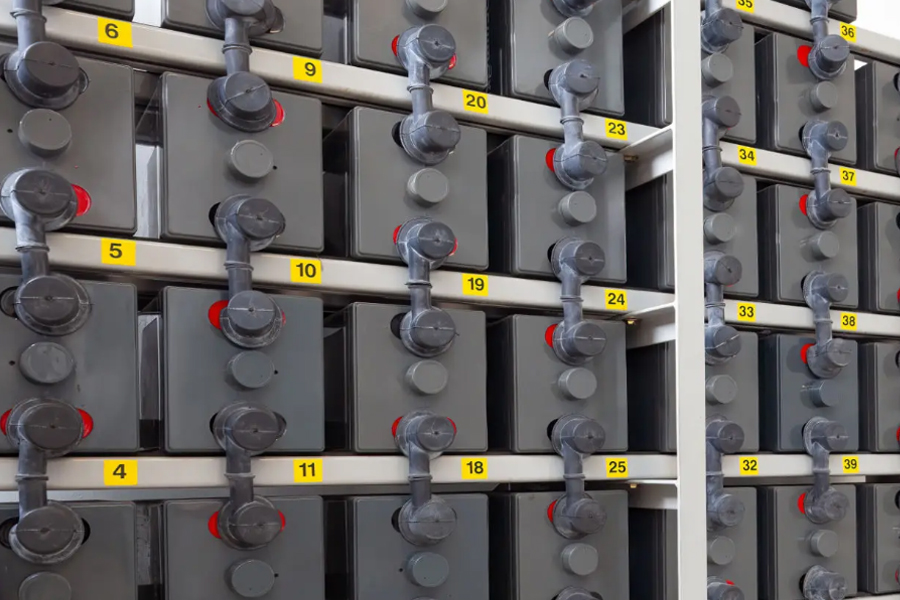
Core technology of new energy storage cabinet
The performance and reliability of new energy storage cabinets are highly dependent on their core technology and processes. The following are the three major core processes and their implementation methods:
1. High-safety battery management system (BMS)
● Process highlights: Real-time monitoring of battery pack voltage, temperature and other parameters through multi-level battery cell monitoring, intelligent balancing control and fault warning mechanism.
● Technical advantages: Prevent overcharging, over-discharging and thermal runaway risks, extend battery life and improve overall system safety.
2. Intelligent temperature control and thermal management technology
● Process highlights: Adopt a liquid cooling/air cooling hybrid heat dissipation solution, combined with zoned temperature sensing and dynamic air duct design, to achieve precise control of the temperature in the cabinet.
● Technical advantages: Ensure that the battery operates in the optimal temperature range, avoid high temperature performance degradation or low temperature capacity loss, and reduce energy consumption at the same time.
3. Modular structure design and protection
● Key points of the process: Based on standardized modules, with fire-retardant materials, IP54 and above protection level housing, flexible expansion and convenient maintenance are supported.
● Technical advantages: Improve environmental adaptability, meet the deployment requirements of complex scenarios such as outdoor, high temperature, and high humidity, and reduce operation and maintenance costs.
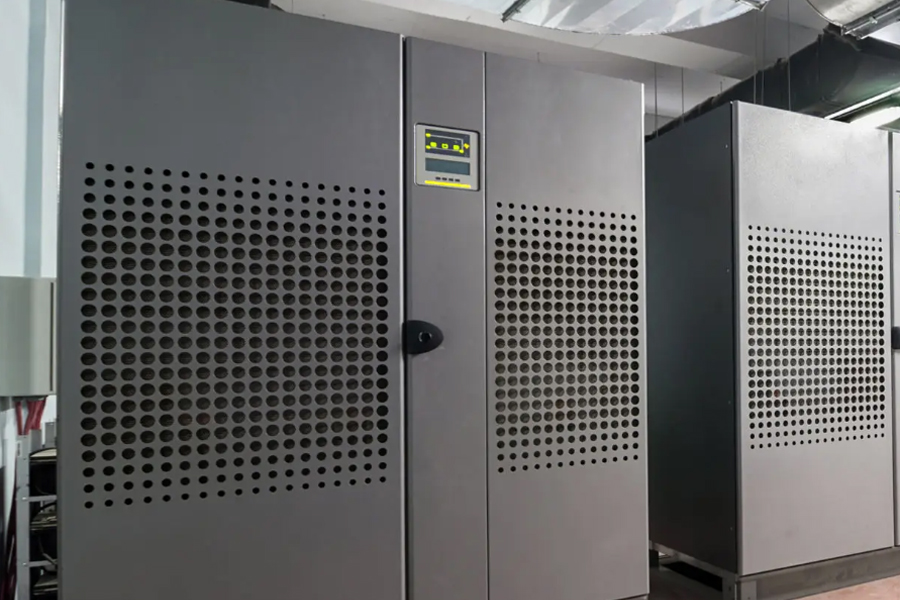
Differentiated advantages of core processes
The coordinated application of the above processes enables new energy storage cabinets to show significant advantages in market competition:
1. Comprehensive improvement of safety and reliability
Through the dual protection of BMS and thermal management technology, energy storage cabinets can effectively suppress potential risks such as battery aging and short circuit. For example, intelligent balancing technology can control the difference between battery cells within 5% to avoid local overload; and the active heat dissipation system can reduce the temperature fluctuation range to ±3℃ to ensure long-term stable operation of the system.
2. Full life cycle cost optimization
Modular design not only reduces the initial investment cost, but also supports the expansion of capacity on demand in the later stage. In addition, precise battery management can extend the cycle life, and the battery life can be increased by 20%-30% in some scenarios, reducing the replacement frequency and waste generation.
3. Enhanced adaptability to multiple scenarios
The upgrade of protection technology enables the equipment to be deployed in various environments such as industrial parks, remote base stations, and islands. For example, the anti-salt spray coating can meet the use needs of coastal areas, and the seismic structure design is suitable for areas with frequent geological activities.
As a bridge connecting the power generation end and the power consumption end, the continuous innovation of new energy storage cabinets is driving energy utilization efficiency to a new level. When selecting energy storage equipment, it is recommended to focus on core indicators such as BMS accuracy, thermal management efficiency, and structural protection level to ensure efficient and stable operation of the system throughout its life cycle.