

The core role of energy storage battery cabinets
Energy storage battery cabinets perform multiple functions in the energy system through precise storage and dispatch of electric energy:
1. Power peak regulation and load balancing
In areas where the peak and valley electricity prices of the power grid differ significantly, battery cabinets can be charged during low electricity price periods and discharged during high electricity price periods to reduce electricity costs. At the same time, it can smooth out grid load fluctuations and alleviate power transmission and distribution pressures.
2. Improved new energy absorption capacity
When used in conjunction with renewable energy systems such as photovoltaic and wind power, energy storage battery cabinets can store surplus electricity from intermittent power generation, solve the problem of "abandoning wind and light", and improve the utilization rate of clean energy.
3. Emergency power supply
In the event of a power grid failure or sudden power outage, the battery cabinet can provide backup power for key facilities such as data centers, hospitals, and production lines to ensure business continuity.
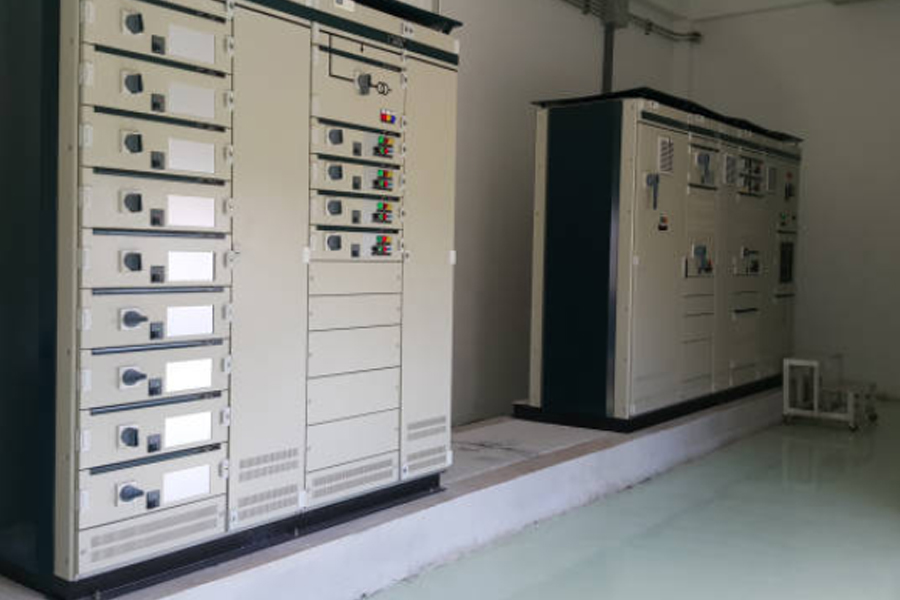
Core technology of energy storage battery cabinets
The performance and reliability of energy storage battery cabinets depend on the following core technologies and processes:
1. High-precision battery management system (BMS)
● Key points of the process: Adopt multi-level battery cell monitoring and dynamic balancing technology to collect parameters such as voltage, temperature, and internal resistance in real time to optimize the charging and discharging strategy.
● Advantages: Prevent the risks of battery overcharge, over-discharge, and thermal runaway, extend the cycle life of the battery pack, and improve the overall system stability.
2. Efficient thermal management technology
● Key points of the process: Integrated liquid cooling cycle and intelligent air cooling system, combined with temperature partition sensors, to achieve precise temperature control of the cabinet environment.
● Advantages: Maintain the battery operating temperature in the optimal range of 20-35℃ to avoid capacity attenuation in high temperature environments or reduced discharge efficiency at low temperatures.
3. Modular integrated design
● Key points of the process: Standardized battery modules and pluggable structures are used to support rapid expansion and independent replacement of faulty units.
● Advantages: Reduce the initial investment cost of equipment, shorten the operation and maintenance response time, and adapt to changes in capacity requirements in different scenarios.
4. Multiple safety protection systems
● Key points of the process: Built-in fireproof compartments, explosion-proof pressure relief valves and insulation monitoring devices, the shell adopts IP55 protection level and corrosion-resistant materials.
● Advantages: Passed international safety certifications such as UL and IEC to ensure that there are no safety hazards in complex environments such as high temperature, high humidity, and dust.
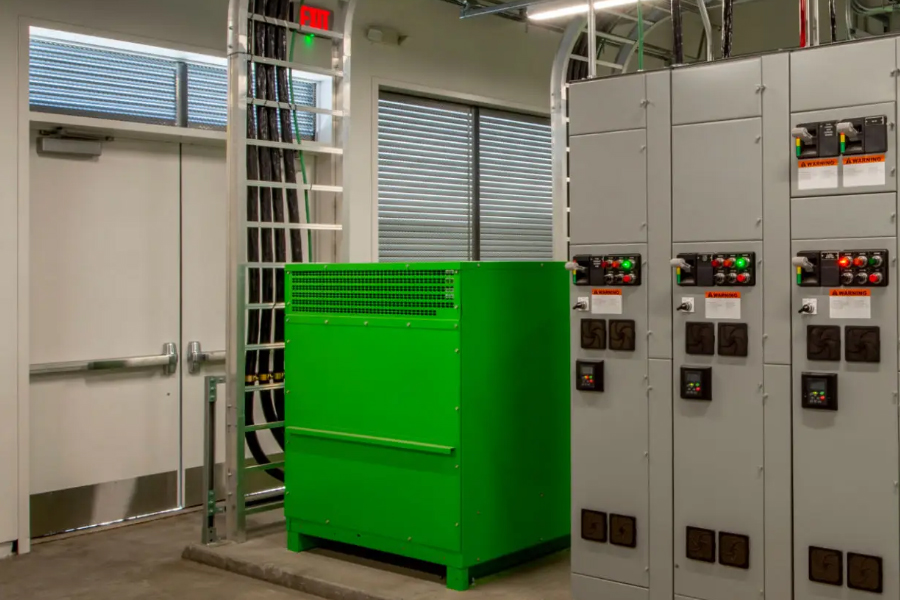
Differentiated advantages of core processes
The coordinated application of the above processes has enabled energy storage battery cabinets to form significant technical barriers in market competition:
1. Comprehensive improvement in safety
BMS and thermal management technology can control the temperature difference between cells within 3°C, reducing the risk of local aging; fireproof design can block the chain reaction caused by single cell failure and ensure long-term stable operation of the system.
2. Optimization of the whole life cycle cost
The modular design reduces redundant configurations. Combined with battery health prediction technology, the system service life is increased by about 25% compared with traditional solutions, reducing the comprehensive cost per unit of energy storage capacity.
3. Enhanced environmental adaptability
The protection process supports the stable operation of the equipment in the temperature range of -25℃ to 50℃, coastal high salt fog or industrial dust environment, meeting the deployment needs of diversified scenarios.
4. Significantly improved operation and maintenance efficiency
The standardized modules and intelligent management platform can remotely diagnose fault points, realize the "replace and use" maintenance mode, and reduce the frequency of manual inspections and downtime losses.
The technical and process innovation of energy storage battery cabinets is promoting the upgrade of energy storage from single-function equipment to intelligent system solutions. When selecting energy storage equipment, it is recommended to focus on evaluating core indicators such as BMS accuracy, thermal management efficiency, safety certification level and expansion flexibility to achieve efficient and reliable long-term energy management.