

The Rapid Development of the New Energy Industry and Surging Demand for Energy Storage
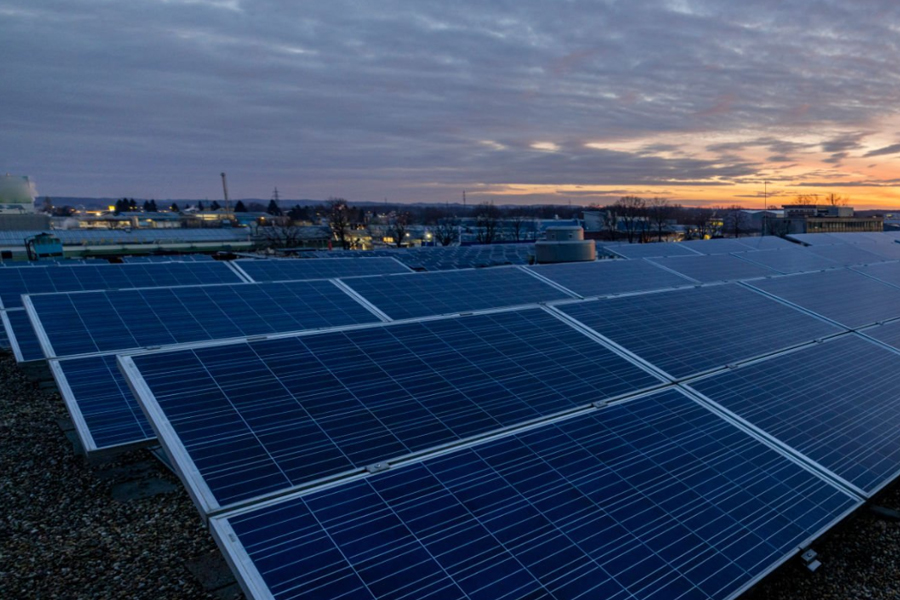
Amid the global push for sustainable energy development, the new energy industry is booming at an unprecedented pace. Solar energy, as a clean and renewable power source, has garnered widespread attention. Photovoltaic panels, the critical equipment for solar energy conversion, are being deployed across a growing range of applications—from large-scale solar farms to small rooftop installations on residential buildings—all continuously converting sunlight into electricity. However, solar power generation is heavily influenced by sunlight availability, resulting in intermittency and instability. This makes energy storage systems an indispensable component of the new energy industry chain. New energy storage cabinets, as the core equipment for storing electrical energy, play a vital role in balancing power supply and demand while ensuring stable electricity output, underscoring their critical importance.
Limitations of Generic Energy Storage Cabinets
In the early stages of new energy storage cabinet development, generic, standardized products dominated the market. While these cabinets met basic needs to some extent, their limitations have become increasingly apparent as new energy applications grow more complex and diverse. In terms of size, different installation environments impose strict requirements on cabinet dimensions. For instance, commercial and industrial sites with limited space struggle to accommodate large generic cabinets, while scenarios demanding high space efficiency cannot fully utilize the fixed dimensions of standard units. Performance-wise, varying operating environments require vastly different specifications for protection, heat dissipation, and other features. In hot and humid coastal regions, cabinets need robust moisture and corrosion resistance, while in dusty inland areas, superior sealing and dust proofing are essential. Generic cabinets struggle to adapt perfectly to such diverse conditions, often failing to meet real-world demands.
The Rise of Customized Sheet Metal Fabrication
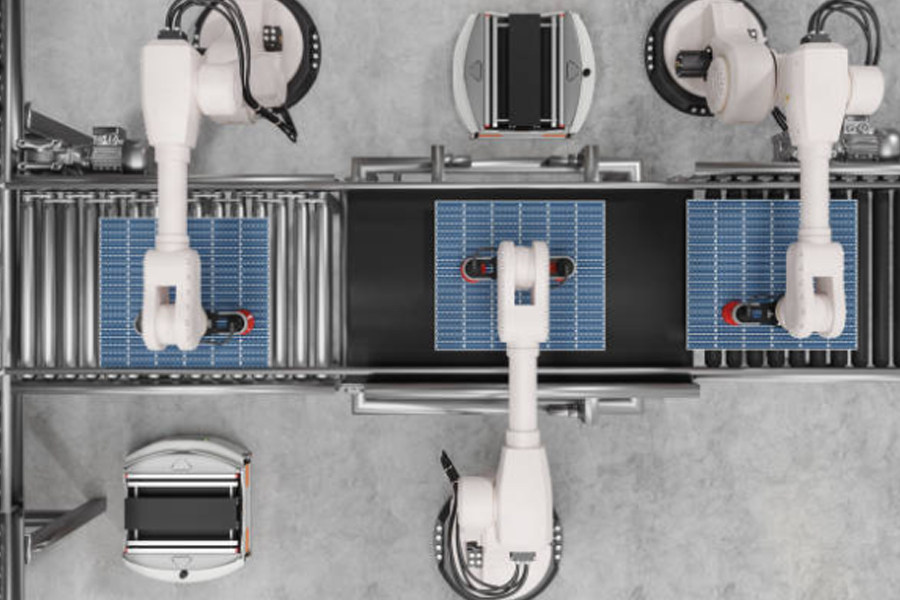
Customized sheet metal fabrication has emerged as a solution to these challenges. For new energy storage cabinets, customization offers significant advantages. In terms of design flexibility, it allows for personalized adjustments to the cabinet’s exterior shape and internal structure based on specific client needs. For example, internal frameworks can be tailored to the number and arrangement of battery modules, ensuring secure and rational installation while maximizing space efficiency. Material selection can also be optimized for the cabinet’s operating environment and performance requirements. High-strength, corrosion-resistant sheet metal might be chosen for harsh conditions to ensure reliable operation. Furthermore, customization enhances performance by enabling solutions like optimized cooling channels for improved heat dissipation, safeguarding the stability and safety of internal components such as batteries.
Market Drivers and Industry Outlook
From a market perspective, the continued expansion of the new energy sector has driven growing demand for personalized energy storage solutions from power generation companies, grid operators, and end-users alike. This demand directly fuels the growth of the customized sheet metal fabrication market for new energy storage cabinets. More companies are recognizing that offering tailored services strengthens their competitiveness by better addressing client needs. Looking ahead, customized fabrication aligns with the industry’s pursuit of efficiency, safety, and personalization. As technology advances, customization will become increasingly precise, delivering more targeted and high-quality energy storage solutions. It is evident that, for the foreseeable future, customized sheet metal fabrication for new energy storage cabinets will remain a key industry trend—far from a fleeting gimmick—and will continue to support the stable growth of the new energy sector, playing a crucial role in achieving efficient energy storage and utilization.