

The core function of energy storage cabinets, especially photovoltaic battery energy storage cabinets, is to provide a stable and safe operating environment for internal energy storage equipment. Lightweight design has significant advantages in many aspects. From a transportation perspective, lighter energy storage cabinets can reduce energy consumption during transportation and reduce the requirements for the carrying capacity of transportation vehicles, thereby improving transportation efficiency. In the installation process, lightweight makes the handling and installation of energy storage cabinets easier, which can greatly shorten the installation time and reduce labor costs. However, when lightweighting goes to extremes, many safety hazards will quietly emerge.
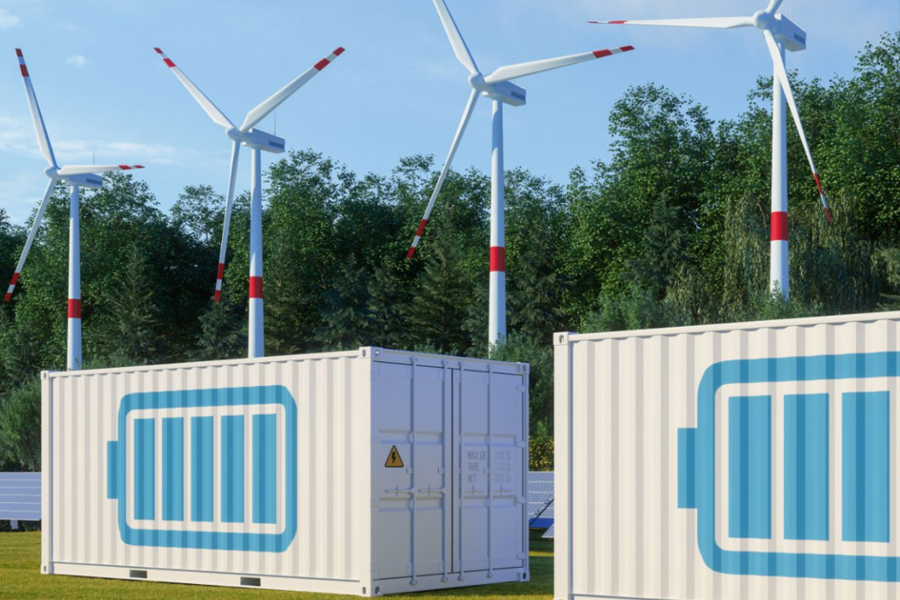
In terms of structural strength, energy storage cabinets will face various external force challenges during their life cycle. During transportation, the bumps of the vehicle, sudden braking and uneven road surface will cause the energy storage cabinet to be subjected to vibration and impact. During installation and daily use, it may also be hit due to improper operation or unexpected circumstances. If the thickness of the sheet metal is excessively reduced during sheet metal processing to achieve lightweight, the structural strength of the energy storage cabinet will be greatly reduced. When encountering a large external force impact, the cabinet body is easily deformed. This deformation may squeeze the internal energy storage device, causing problems such as short circuits and component damage, and in severe cases may even cause major safety accidents such as fire.
The heat dissipation performance is also not to be ignored for the safe operation of the energy storage cabinet. The energy storage device generates a lot of heat during the charging and discharging process, especially in the photovoltaic battery energy storage cabinet. The electricity generated by the photovoltaic panel is accompanied by energy conversion when it is stored, and the heat dissipation is particularly critical. Some lightweight designs may reduce the heat sink area of the energy storage cabinet or change the ventilation structure of the cabinet. This will cause heat to accumulate in the cabinet and cannot be dissipated in time. If the energy storage device is in a high temperature environment for a long time, it will not only accelerate its aging and reduce its service life, but also increase the risk of thermal runaway. Once thermal runaway occurs, the chemical reaction inside the energy storage device will be out of control, the temperature will rise sharply, and then cause serious consequences such as fire and explosion, posing a huge threat to surrounding personnel and facilities.
In addition to structural strength and heat dissipation, fire and explosion resistance are also important indicators for measuring the safety of energy storage cabinets. Under certain abnormal conditions, such as overcharging and short circuit, the energy storage equipment inside the energy storage cabinet may generate sparks or high temperatures, which may cause fire and explosion. In order to cope with this situation, traditional energy storage cabinets usually use sheet metal materials with a certain thickness and fire resistance, and design corresponding explosion-proof structures. However, excessive pursuit of lightweighting may make it difficult to effectively implement these fire and explosion prevention measures. For example, using thinner sheets or replacing materials with poor fire resistance, although the weight is reduced, once an internal fire occurs, the cabinet will not be able to effectively prevent the spread of the fire, and the explosion-proof ability will be greatly reduced, which will further expand the scope of the accident.