

Against the backdrop of accelerating global energy transformation, energy storage equipment is becoming the core hub for building a sustainable energy system. From commercial complexes to residential buildings, from grid regulation to off-grid applications, energy storage technology provides an intelligent and efficient path for energy management through functions such as "peak shaving and valley filling", "green electricity consumption", and "emergency backup power". This article will focus on the three core scenarios of energy storage equipment - commercial energy storage systems, residential energy storage systems, and technology trends, and analyze how they reshape energy usage patterns.
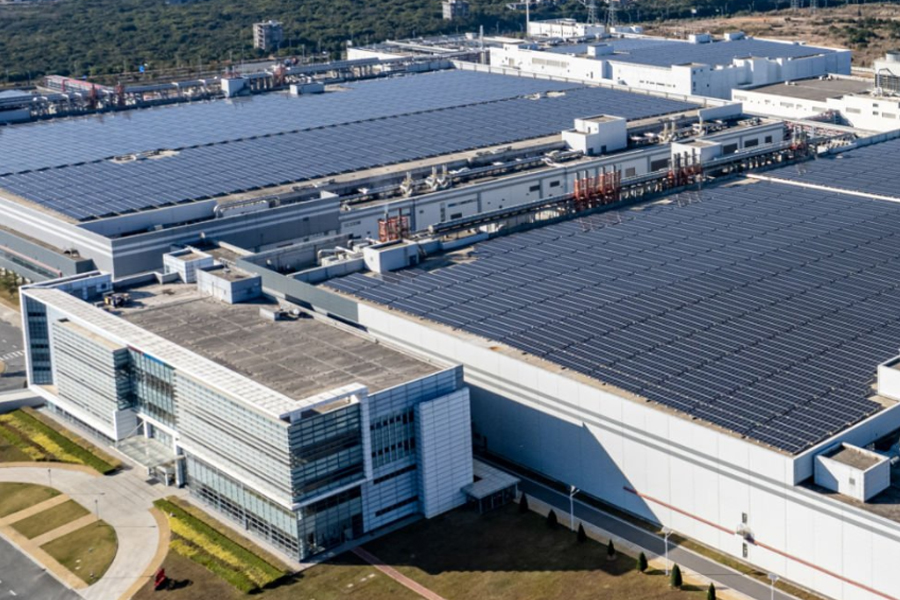
Commercial energy storage systems: energy efficiency innovation for industrial and commercial scenarios
Commercial energy storage systems help companies reduce operating costs and improve energy reliability by optimizing power dispatch. For example, a commercial complex in Hangzhou achieved a 20%-30% electricity bill savings by configuring distributed smart storage cabinets and combining them with an intelligent energy management system, and ensured continuous power supply to key loads when the grid failed. This type of system is particularly suitable for the following scenarios:
● Peak-valley electricity price arbitrage: In areas with significant differences in electricity prices, commercial energy storage can be charged during off-peak hours and discharged during peak hours, directly reducing electricity costs.
● Power security and stability: In scenarios such as data centers and hospitals that require high continuity of power supply, energy storage systems can provide backup power with millisecond response to avoid power outage losses.
● Green power consumption: When industrial parks or logistics centers are equipped with photovoltaic power stations, energy storage equipment can store excess power, reduce the phenomenon of abandoned light and wind, and improve the utilization rate of renewable energy.
The technical advantages of commercial energy storage lie in modular design and intelligent scheduling. For example, Huawei Cloud Lithium System achieves line-free deployment and flexible capacity expansion through functions such as "cloud boost" and "cloud peak shifting", reducing the initial investment threshold. In addition, the application of new technologies such as flow batteries and sodium-ion batteries further improves the safety and life of the system.
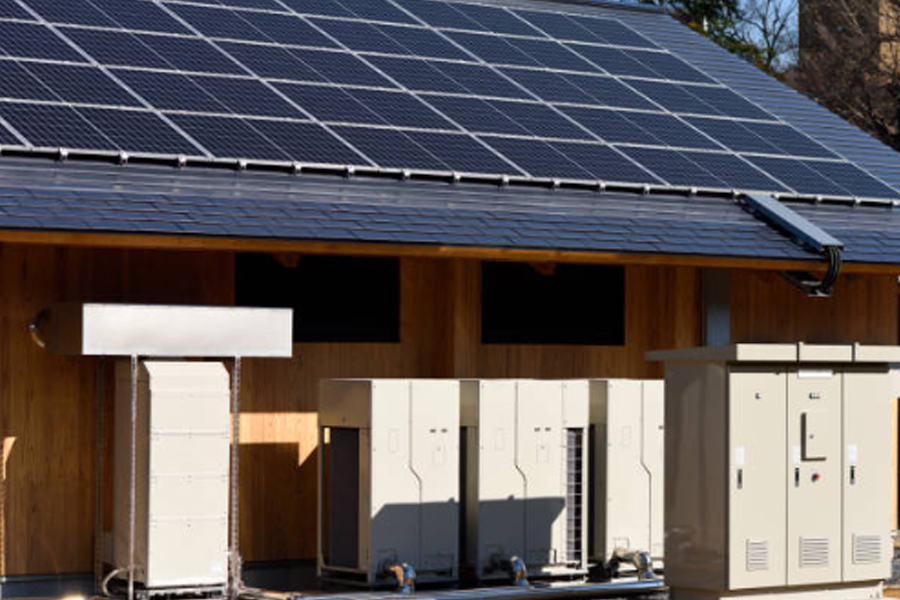
Residential energy storage system: a new choice for home energy autonomy
With the popularization of distributed photovoltaics, residential energy storage systems have become the core of home energy management. For example, farmers in Shensi County, Zhukov City, Henan Province, solved the problem of limited grid capacity through the "photovoltaic + energy storage" model, achieved daytime power generation and storage, and self-sufficient electricity consumption at night, saving an average of about 30% of electricity bills per day. Its core value is reflected in:
● Electricity free optimization: Through the "self-generation and self-use, surplus electricity to the grid" model, households can reduce their dependence on the power grid, especially during periods of high electricity prices, the energy storage system can release low-priced stored electricity.
● Emergency power: In extreme weather or power grid failure, energy storage equipment can guarantee basic living electricity, such as lighting, refrigerators, medical equipment, etc.
● Environmental protection and sustainability: With solar panels, residential energy storage systems can reduce household carbon emissions and promote a green lifestyle.
Technically, residential energy storage systems tend to be miniaturized and intelligent. For example, the Shenzhen Huazhang Xinzhu project adopts an integrated "photovoltaic storage and charging" solution, which integrates photovoltaic power generation, energy storage, and charging piles to achieve full-scenario coverage of household energy. In addition, the application of phase change energy storage materials can adjust indoor temperature, reduce air conditioning energy consumption, and improve living comfort.
Technology Trends: Safety, Intelligence and Diversified Development
Innovation in energy storage technology is driving the industry towards higher efficiency and lower cost:
● Breakthrough in long-term energy storage technology: New technologies such as liquid air energy storage and compressed air energy storage have achieved continuous discharge for more than 4 hours, which is suitable for grid-level peak-shaving needs. For example, a 60MW liquid air energy storage project has an annual power generation of 185 million kWh, which can reduce carbon dioxide emissions by 148,000 tons.
● Upgrade of intelligent management system: The intelligent BMS (battery management system) launched by Huawei Cloud Lithium, Xianfeng Technology and other companies optimizes charging and discharging strategies through AI algorithms to improve system life and safety.
● Environmental protection and circular economy: The application of materials such as sodium ion batteries and lithium iron phosphate batteries reduces dependence on rare metals, while battery recycling technologies (such as Green Li-ion's hydrometallurgical process) promote resource recycling.
Policy and market dual-wheel drive
Global policy support for the energy storage industry continues to increase. The "Action Plan for High-Quality Development of New Energy Storage Manufacturing Industry" jointly issued by eight Chinese departments proposes that by 2025, the installed capacity of new energy storage will exceed 70 million kilowatts. The European and American markets are accelerating the commercialization of energy storage technology through subsidies and carbon tax policies. In terms of market demand, the global new installed capacity of energy storage will reach 52 gigawatts in 2024, of which lithium-ion batteries account for more than 97%, showing the industry's strong growth potential.
The popularization of energy storage equipment is reshaping the energy consumption model: in commercial scenarios, it is a "power housekeeper" that reduces costs and increases efficiency; in home scenarios, it is a "green hub" for energy autonomy. With technological iteration and policy support, the energy storage industry will accelerate its integration into the "source-grid-load-storage" integrated system, providing key support for the global carbon neutrality goal.