

Understanding Energy Storage Systems (ESS)
What is an Energy Storage System (ESS)?
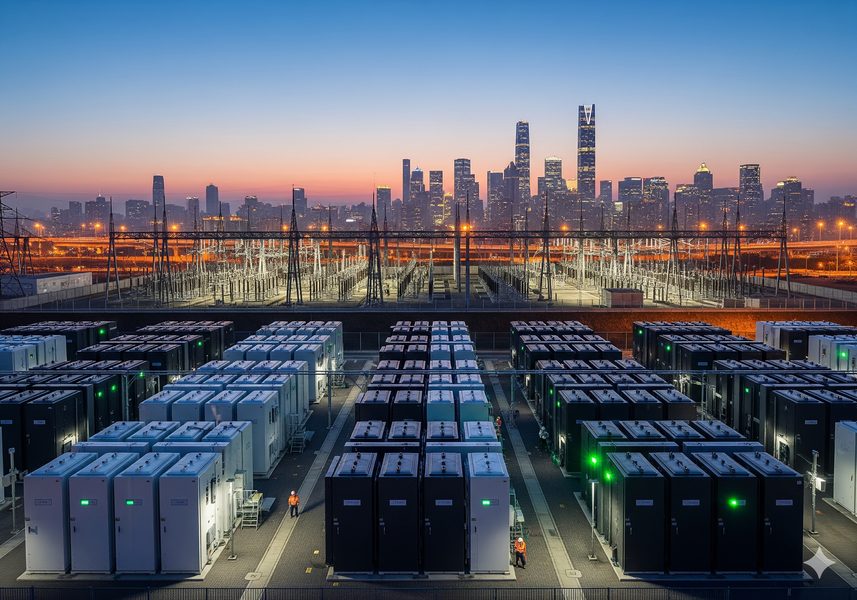
An Energy Storage System (ESS) refers to a technology that captures excess electricity and stores it for later use. ESS helps to smooth out the fluctuations in power generation and consumption by storing electricity when supply exceeds demand and discharging it when demand is high or renewable energy sources are insufficient.
The most commonly used ESS in industrial settings today are lithium-ion batteries, flow batteries, compressed air energy storage (CAES), and flywheel energy storage systems. Among these, lithium-ion batteries stand out due to their high energy density, efficiency, and relatively long life span, making them ideal for industries focused on sustainability and reducing their carbon footprint.
How ESS Works?
ESS primarily functions as a buffer between power generation and demand. It works by capturing surplus energy produced during low-demand periods (such as when renewable energy production is high) and storing it for future use. When energy demand increases, especially during peak hours, the ESS discharges the stored energy to meet the demand, thus preventing reliance on non-renewable energy sources like fossil fuels.
In industrial settings, ESS enables businesses to store renewable energy (such as solar and wind energy) and use it when the renewable generation is not available, reducing the need to draw power from the grid or backup generators, which are often powered by carbon-intensive fuels.
The Environmental Challenge for Industrial Applications
Energy-Intensive Industries and Carbon Emissions
Industries are among the largest contributors to global carbon emissions due to their energy-intensive operations. Sectors such as manufacturing, steel production, cement production, chemical processing, and mining are responsible for a significant portion of greenhouse gas emissions, as they rely heavily on fossil fuels and electricity for operations. This makes them key players in the drive for reducing carbon footprints.
The industrial sector is not only responsible for large amounts of energy consumption but also for the associated carbon emissions from conventional power generation methods. These emissions contribute to global warming and are a key factor in the climate crisis, putting pressure on industries to adopt greener technologies.
Meeting Environmental Regulations and Sustainability Goals
As countries and regions enforce stricter emission regulations, industries must adapt to more sustainable practices. With the introduction of international agreements such as the Paris Agreement and national-level regulations, reducing carbon emissions has become not just an environmental priority but also a business imperative. ESS offers industries an effective way to reduce reliance on fossil fuels, optimize energy use, and meet sustainability goals.
How ESS Contributes to Reducing Carbon Footprints in Industrial Applications
Energy Optimization
ESS can help industries optimize their energy consumption by enabling them to store surplus energy generated during low-demand periods (e.g., when solar and wind energy are abundant) and use it during high-demand periods. This reduces the reliance on the grid, which is often powered by fossil fuels. By storing renewable energy, industries can reduce their dependency on non-renewable sources, thereby lowering their overall carbon emissions.
For example, a factory that installs an ESS alongside its renewable energy generation system (such as solar panels) can store excess solar energy produced during the day and use it during the night or on cloudy days, preventing the need to purchase electricity from grid systems that may rely on coal or natural gas.
Peak Shaving and Demand Response
Peak shaving is another critical function of ESS in industrial settings. Peak demand periods are when the electricity grid experiences the highest load, leading to the use of fossil fuel-based power plants to meet the demand. These plants are often less efficient and emit higher levels of greenhouse gases compared to renewable energy sources.
ESS can help industries reduce peak demand by storing energy during periods of low usage (off-peak hours) and discharging it during peak demand periods. This process, known as demand response, can help industrial operations lower their electricity costs and reduce their carbon footprint by decreasing the need for carbon-heavy energy sources during peak times.
Enabling the Use of Renewable Energy
The integration of renewable energy sources, such as solar and wind power, into industrial operations is a powerful way to reduce carbon emissions. However, one of the challenges with renewable energy is its intermittency—solar power is only available when the sun is shining, and wind power is dependent on wind conditions.
ESS allows industries to store renewable energy when generation is high and use it during times of low generation, ensuring a continuous supply of clean energy. This reduces reliance on the grid and helps industries lower their carbon emissions by utilizing clean energy instead of fossil-fuel-based electricity.
Real-World Applications of ESS in Reducing Carbon Footprints
Industrial Solar Energy Systems with ESS
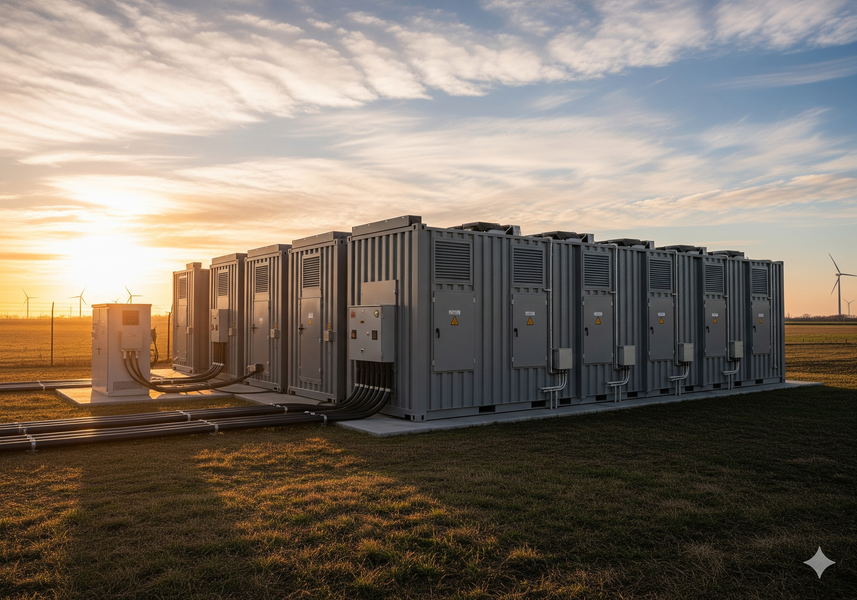
Several industries have successfully integrated ESS into their solar energy systems. For example, a manufacturing plant with a large rooftop solar array can use ESS to store excess solar energy generated during the day. The stored energy can then be used to power machinery and operations at night, reducing the plant’s dependence on grid electricity and minimizing its carbon footprint.
These systems not only help industries save on electricity costs but also contribute significantly to the reduction of carbon emissions, as the energy stored in the ESS is primarily generated from renewable solar power.
ESS in Smart Factories and Industry 4.0
With the rise of Industry 4.0, factories are becoming more digitally integrated and data-driven. ESS plays a crucial role in the smart factory ecosystem, enabling industries to optimize energy usage and improve overall efficiency. By integrating ESS with IoT (Internet of Things) devices and AI-based management systems, industries can automate energy storage and optimize energy consumption based on real-time data.
These smart systems can track energy consumption patterns, manage renewable energy flows, and ensure that the energy storage is used efficiently, further minimizing carbon emissions while enhancing operational efficiency.
ESS in Manufacturing and Heavy Industry
In heavy industries such as steel production and cement manufacturing, ESS can help reduce the carbon footprint by supporting renewable energy integration and optimizing energy consumption during production. For example, a cement plant may rely on solar panels for part of its energy needs but still need energy storage to balance fluctuating power demands.
By using ESS to store energy during low-demand periods, these industries can significantly reduce their reliance on grid electricity, which is often generated by coal or natural gas, thus lowering their carbon emissions.
Challenges and Considerations in Implementing ESS
High Initial Investment
The upfront cost of implementing ESS, particularly for large-scale industrial applications, can be high. While there are significant long-term benefits, including cost savings and carbon footprint reduction, the initial investment might be a barrier for some businesses. However, financial incentives such as government subsidies, grants, and tax rebates can help mitigate the cost.
Energy Storage Efficiency
The efficiency of an ESS is a critical factor in determining its effectiveness in reducing carbon footprints. The efficiency of a system depends on the type of battery used, the storage capacity, and the power conversion process. Industries must carefully choose ESS that meet their energy needs and offer high round-trip efficiency to ensure the system is both economically and environmentally viable.
The Future of ESS in Reducing Industrial Carbon Footprints
Advancements in Battery Technologies
As battery technologies continue to improve, ESS will become even more efficient, cost-effective, and capable of supporting larger-scale industrial applications. Innovations in solid-state batteries, flow batteries, and sodium-ion batteries could further enhance the performance and energy storage capacity of ESS, providing industries with even better solutions for reducing their carbon emissions.
Integration with Smart Grids and AI
As industries adopt smart grids and AI-powered energy management systems, ESS will play an even more significant role in optimizing energy usage and reducing carbon footprints. The combination of real-time data and advanced energy storage will allow industries to balance supply and demand more efficiently and increase their reliance on renewable energy sources.
FAQs
1. How does ESS reduce carbon emissions in industrial applications?
ESS reduces carbon emissions by storing renewable energy and providing it during peak demand hours, thus decreasing reliance on fossil-fuel-based electricity sources.
2. Can ESS be integrated with renewable energy sources like solar and wind?
Yes, ESS can store energy generated from renewable sources, such as solar and wind, ensuring that the energy is available when needed, even during periods of low renewable generation.
3. What industries benefit the most from ESS?
Industries with high energy consumption, such as manufacturing, cement production, steel production, and chemical processing, can significantly benefit from integrating ESS to reduce energy costs and carbon emissions.
4. What are the main challenges in implementing ESS for industrial applications?
The primary challenges include the high upfront cost, energy storage efficiency, and the need for integration with existing energy systems.
5. How can ESS contribute to the sustainability goals of an industrial company?
By optimizing energy consumption, reducing reliance on grid electricity, and maximizing the use of renewable energy, ESS helps industries lower their carbon emissions and meet their sustainability goals.