

In industrial production, energy cost and stability are always the core challenges of factory operation. As an innovative energy management solution, industrial energy storage system is becoming a powerful assistant for factories to optimize energy structure and improve production reliability with its flexible and efficient characteristics. This article will analyze how industrial energy storage system can inject new vitality into factories from three dimensions: peak shaving and valley filling, emergency standby, and renewable energy integration.
Peak shaving and valley filling: a cost-effective electricity bill steward
The peak and valley fluctuations of industrial electricity prices are as unpredictable as weather changes, and the energy storage system is the "barometer" for factories to cope with this challenge. When the grid load enters the valley period and the electricity price drops to a low level, the energy storage system will take the initiative to "open its arms" and store the excess electricity. During peak electricity consumption, it will be like a caring steward, accurately releasing the stored electricity to help factories avoid high-priced electricity consumption intervals. This "low storage and high use" strategy can not only effectively reduce electricity bill expenditures, but also relieve the pressure on the power grid, achieving a two-way win-win situation between factories and power grids.
Imagine that when other factories are worried about high electricity bills during peak hours, your factory can rely on energy storage systems to operate smoothly. Behind this calmness, it is the wisdom of energy storage systems in energy cost management. It does not require complicated operations. It only needs to automatically adjust the charging and discharging strategy through intelligent algorithms to make the best use of every kilowatt-hour of electricity in the factory.
Emergency backup: the safety guard of production continuity
Industrial production is like a precise clock. Power outages in any link may cause serious losses. The energy storage system is like a loyal guard, always guarding the power safety of the factory. When emergencies such as power grid failures and natural disasters occur, it can switch to emergency mode in an instant to provide continuous power support for key equipment. This ability to respond immediately can not only avoid direct economic losses caused by shutdowns, but also protect equipment from damage caused by frequent power outages and extend its service life.
Taking the manufacturing industry as an example, once the production line is interrupted, it will not only cause order delays, but also may cause waste of raw materials. The existence of the energy storage system is like installing a "safety gate" for the production line to ensure that production can proceed in an orderly manner in any emergency. This stability is undoubtedly crucial for modern factories that pursue efficiency and quality.
Renewable energy integration: the "smart bridge" for green transformation
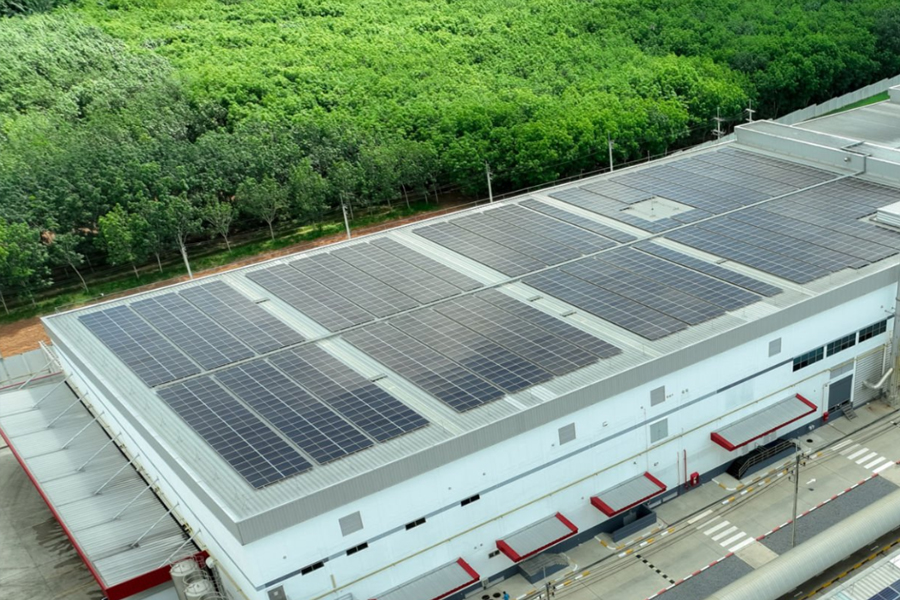
As the world pays more attention to sustainable development, factories are also actively exploring the application of green energy. Although renewable energy such as solar energy and wind energy are clean, their intermittent and volatile nature poses challenges to the stable power supply of factories. The energy storage system is like an intelligent bridge, converting unstable renewable energy into a reliable power supply. When the sun is bright or the wind is strong, it will store excess electricity; and when the energy supply is insufficient, it will release the stored electricity.
This integration can not only improve the utilization rate of renewable energy and reduce dependence on traditional fossil energy, but also help factories reduce carbon emissions and enhance the social image of enterprises. For factories committed to achieving carbon neutrality goals, energy storage systems are undoubtedly a key boost to promote green transformation.
The industrial energy storage system is like an all-round "energy steward", reducing electricity costs by shaving peaks and filling valleys, ensuring production continuity with emergency backup, and promoting green development through renewable energy integration. It is not only a practical tool for factories to cope with energy challenges, but also a strategic choice for achieving sustainable development. With the continuous advancement of technology and the gradual reduction of costs, industrial energy storage systems will surely play an important role in more factories, injecting new impetus into the energy revolution in the industrial field.
Frequently Asked Questions
Q1: How long is the investment payback period of industrial energy storage systems?
A1: The investment payback period will vary depending on factors such as the factory's electricity consumption and electricity price policy. Generally speaking, through reasonable peak-valley arbitrage and energy management strategies, energy storage systems can achieve cost recovery within a few years. With the development of technology and the emergence of economies of scale, this cycle has a tendency to be further shortened.
Q2: Does the energy storage system require frequent maintenance?
A2: Modern industrial energy storage systems usually adopt a modular design with intelligent monitoring and management functions. Daily maintenance mainly focuses on regular inspections of equipment status and cleaning work, without the need for complex operations or frequent manual intervention. Professional operation and maintenance teams can also provide remote monitoring and timely technical support for factories to ensure that the system always maintains optimal operating conditions.
Q3: How is the safety of the energy storage system guaranteed?
A3: Safety is the core consideration in the design of industrial energy storage systems. From the selection of battery materials to the thermal management and fire protection measures of the system, they have all been rigorously tested and verified. In addition, advanced battery management systems (BMS) and energy management systems (EMS) can monitor battery status in real time, detect and handle potential risks in a timely manner, and ensure the stability and safety of system operation.