

Against the backdrop of accelerating global energy transformation, photovoltaic energy storage containers, as integrated equipment that integrates photovoltaic power generation and energy storage systems, are becoming a key solution to solving the problem of distributed energy consumption. This type of equipment integrates solar cells, energy storage batteries, and energy management systems into standard container space through modular design. It has the characteristics of efficient power generation, stable power storage, and flexible deployment, and can quickly respond to multiple needs such as grid peak regulation, off-grid power supply, and industrial and commercial energy storage. Its core value lies in breaking the geographical limitations of traditional energy systems, and promoting the development of clean energy from decentralized utilization to large-scale and intelligent development with a "ready-to-use" model, becoming an important node in the energy Internet architecture.

Core technology architecture and functional advantages
The technical innovation of photovoltaic energy storage containers focuses on three dimensions: space integration, energy management, and safety protection:
Modular integrated design: It uses an industrial-grade container body (usually 20 feet or 40 feet standard specifications), and the interior is divided into power generation area, energy storage area, and control area. The photovoltaic power generation module realizes light energy conversion through high-efficiency crystalline silicon modules or flexible thin-film modules. The energy storage area is equipped with lithium-ion batteries or lead-carbon battery packs. The thermal management system controls the battery temperature difference within ±5°C, extending the service life by more than 20%.
Intelligent energy management system: built-in PLC control module and IoT communication unit, which can monitor photovoltaic output power, battery state of charge (SOC) and grid load data in real time. Through the dynamic power allocation algorithm, local power demand is met first, and the surplus power is automatically stored in the battery or connected to the grid, realizing the high-efficiency cycle of "self-generation and self-use, surplus power storage".
Full-scenario adaptability: The box adopts IP55 or above protection level, has the characteristics of wind and sand resistance, salt spray resistance, high and low temperature resistance (-40°C to + 60°C), and can operate stably in complex environments such as deserts, coastal areas, and high altitudes. The seismic design complies with GB/T 2423.56 standard to meet the application needs of earthquake-prone areas.
Analysis of multiple application scenarios
The flexibility of photovoltaic energy storage containers enables them to show unique value in different energy scenarios:
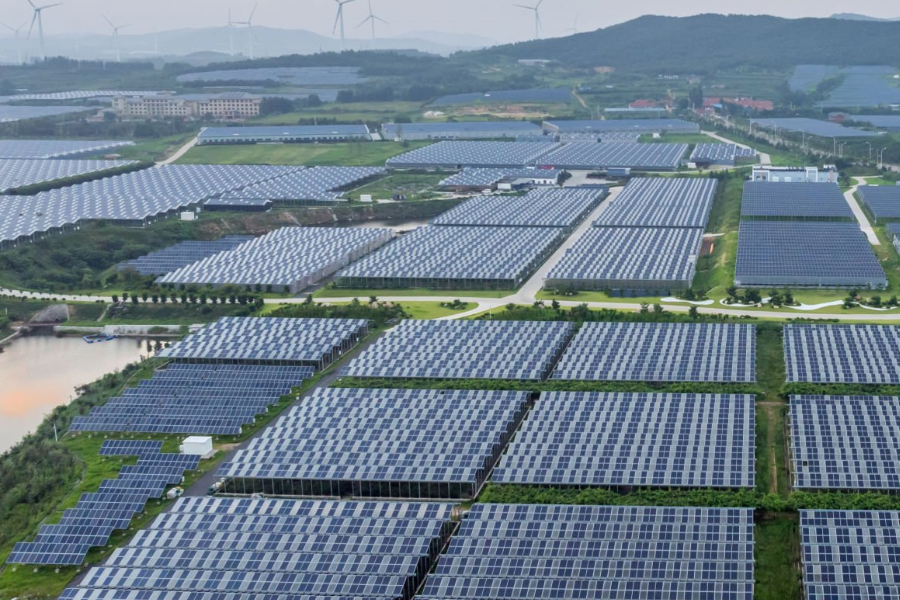
Distributed energy stations: For electricity users such as industrial parks and large supermarkets, the equipment can be deployed on rooftops or open spaces nearby to build a "photovoltaic + energy storage + load" microgrid system. Through the peak-valley electricity price difference strategy, energy is stored during the low-power consumption period and discharged during the peak period, significantly reducing the electricity cost while improving energy self-sufficiency.
Grid auxiliary services: After connecting to the regional power grid, it can participate in peak regulation, frequency regulation and backup power services as a flexible adjustment unit. When the grid load suddenly increases, the stored electricity is quickly released to stabilize the voltage; during the photovoltaic power abandonment period (such as the peak power generation at noon), it automatically switches to the energy storage mode to reduce the power abandonment rate, becoming a "buffer zone" to relieve the pressure on the grid.
Off-grid power supply solution: Provide independent energy guarantee for remote villages, field base stations, and emergency rescue scenarios. It can be combined with wind power generation modules to form a multi-energy complementary system, and ensure all-weather power supply through intelligent switching technology to solve the problem of insufficient stability of traditional off-grid equipment.
Temporary power consumption scenarios: short-term power demand such as construction sites and outdoor exhibitions, without complex grid access, can quickly build a power supply system through containerized equipment, which reduces carbon emissions by more than 90% compared to diesel generators, in line with the concept of green construction.
Industry trends and technology evolution direction
The current photovoltaic energy storage container industry is showing three major development trends:
High efficiency and lightweight: The application of perovskite photovoltaic modules is expected to increase power generation efficiency to more than 25%. With solid-state battery technology, the energy storage density per unit volume can be increased by 30%, driving the equipment to evolve to "smaller size, larger capacity".
Digitalization and networking: The integration of 5G and edge computing technologies enables equipment to access the energy management cloud platform for remote monitoring, fault diagnosis and OTA upgrades. Through big data analysis of user power usage habits, energy storage strategies are automatically optimized to further improve the overall efficiency of the system.
Green manufacturing and circular economy: The box material is transformed into high-strength aluminum alloy and recycled steel to reduce carbon emissions in the production stage; the integrated design of the battery recycling module ensures the cascade utilization and environmental protection treatment of retired batteries, which complies with the requirements of the EU CE-PED and China's "Management Measures for the Recycling of Energy Storage Batteries".
The emergence of photovoltaic energy storage containers marks the leap of energy storage from "single equipment" to "system solutions". It not only solves the intermittent problem of photovoltaic power, but also lowers the application threshold of clean energy in a standardized and modular form, and promotes energy production and consumption to develop in a decentralized and democratic direction. With the advancement of the "dual carbon" goal and the expansion of the distributed energy market, this type of equipment is expected to become the basic unit of the future energy network. For enterprises and users, choosing a photovoltaic energy storage container is not only to deploy a set of power supply equipment, but also an important practice to participate in the energy revolution and build a sustainable development model.
FAQ
Q1: How do photovoltaic energy storage containers deal with extreme weather?
A1: The equipment adopts a multi-protection design: the shell is sprayed with an anti-corrosion coating, the interior is equipped with a temperature and humidity sensor and an automatic dehumidification device, and the battery area is equipped with a fire extinguishing system (such as perfluorohexanone gas fire extinguishing), which can cope with complex environments such as heavy rain, high temperature, and dust. It is recommended to use a basic fixing device during installation to withstand strong winds above level 12.
Q2: What is the service life and maintenance cost of the equipment?
A2: The life of photovoltaic modules is usually 25 years, and the energy storage battery can reach 5-10 years depending on the frequency of use (the number of cycles affects the life). Daily maintenance mainly focuses on cleaning the cooling system and upgrading the software system. Compared with traditional distributed energy equipment, it reduces 30% of the operation and maintenance manpower investment, and the intelligent management system can warn potential faults in real time.
Q3: Does it support linkage with existing power grids or other energy equipment?
A3: It supports multiple grid-connected modes (such as island mode and grid-connected mode), and can realize data interaction with power grid dispatching systems, wind and solar power generation equipment, charging piles, etc. through standard communication protocols (such as Modbus, IEC 61850), meeting the access needs of multi-energy complementarity and smart grids.