

As the new energy wave sweeps the world, from electric vehicles to home energy storage devices, the battery management system (BMS) is quietly playing a key role. As the "intelligent center" of the battery, it not only affects the performance of the battery, but also directly affects the safety and service life of the equipment.
Core functions and working principles of the battery management system
The core responsibility of the battery management system is real-time monitoring and precise control. Through various sensors distributed in the battery pack, the BMS continuously collects key data such as voltage, current, and temperature. Taking new energy vehicles as an example, during the driving process of the vehicle, the BMS monitors the battery status thousands of times per second. Once it is found that the voltage of a battery cell deviates from the normal range, it immediately starts the balancing mechanism to adjust the power of each battery cell to ensure the stable operation of the entire battery pack.
At the data analysis level, the BMS uses complex algorithms to estimate the remaining battery capacity (SOC) and health state (SOH). These data are not only the basis for users to judge the battery life, but also an important reference for the system to formulate charging and discharging strategies. For example, when the battery temperature is detected to be too high, the BMS will automatically reduce the charging current to avoid safety hazards caused by overheating.
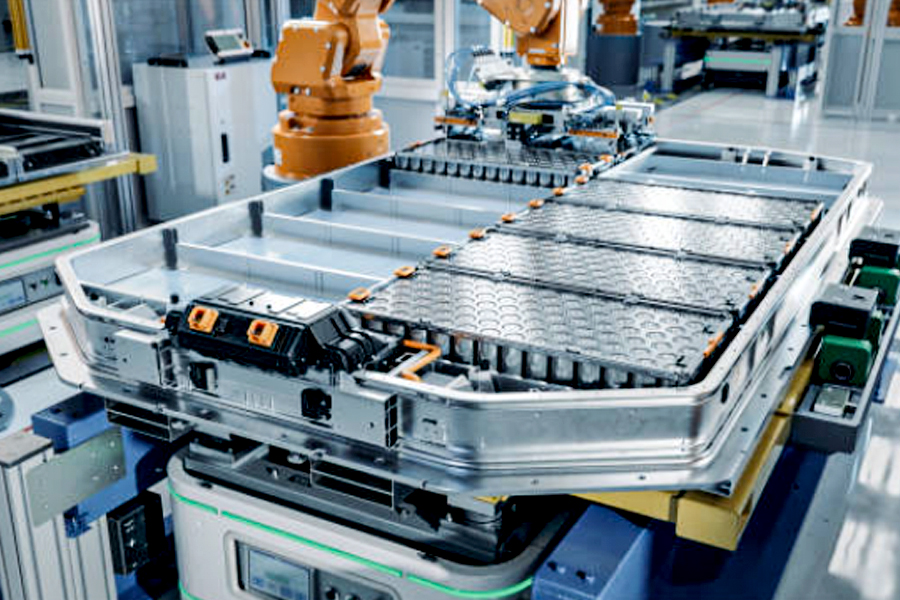
Multiple application scenarios of battery management systems
Different fields have different demands for BMS. In the field of new energy vehicles, BMS not only ensures safety, but also needs to take into account energy recovery efficiency. By optimizing the braking energy recovery strategy, the vehicle's kinetic energy is converted into electrical energy storage, effectively improving the driving range. In the home energy storage system, BMS plays the role of "power housekeeper", automatically adjusting the battery charging and discharging according to the peak and valley of electricity consumption, realizing peak shaving and valley filling, and reducing electricity costs.
Although the BMS in consumer electronics products is small in size, it is equally powerful. It can intelligently adjust the battery output power according to the use status of the device, extending the battery life while ensuring performance. For example, when the mobile phone is in low power mode, the BMS will limit the running of background programs to reduce power consumption.
Common problems and solutions for using battery management systems
In actual use, users often encounter problems such as inaccurate battery life and abnormal charging. This may be caused by BMS algorithm errors or sensor aging. For example, after long-term use, the internal chemical properties of the battery change. If the BMS fails to update the parameters in time, there will be a deviation in power estimation. In addition, extreme environments can also affect the performance of BMS. High temperatures may cause sensor data distortion, while low temperatures can reduce battery activity.
To address these issues, users can maintain BMS by regularly calibrating the battery and using the original charger. Manufacturers need to continuously optimize algorithms to improve the system's adaptability. For example, some high-end BMSs already have self-learning functions, which can automatically adjust parameters and improve monitoring accuracy based on battery usage habits and aging.
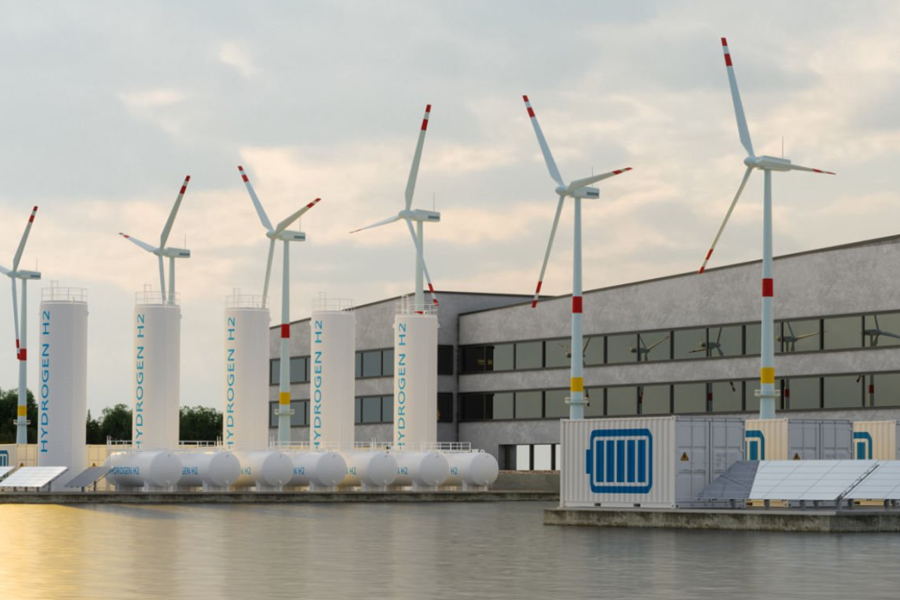
Future development trends of battery management systems
With the continuous advancement of new energy technologies, BMS is moving towards a smarter and more efficient direction. In the future, artificial intelligence and big data analysis will be deeply integrated into BMS to achieve more accurate battery status prediction and fault warning. For example, by analyzing a large amount of historical data, the system can predict the battery aging trend in advance and prompt users to perform maintenance in a timely manner. At the same time, the integration of BMS will be further improved, and it will be more closely integrated with vehicle control systems and smart home systems, bringing users a more convenient and safer user experience.
As the core technology of battery applications, the importance of battery management systems is self-evident. Whether it is to ensure safety or improve performance, BMS plays an irreplaceable role in it. With the continuous innovation of technology, BMS will provide stronger support for the development of the new energy industry.