

The problem of energy shortage involves multiple levels. On the one hand, the reserves of traditional fossil energy are limited and unevenly distributed. With the continuous deepening of mining, the reserves are gradually reduced, and the difficulty and cost of mining are increasing. On the other hand, although new energy resources are rich, there are problems of intermittency and instability. For example, solar energy depends on sunlight and can only generate electricity during the day; wind energy depends on wind conditions, and the size and duration of wind are difficult to control accurately. These characteristics make it difficult for new energy to stably meet the growing energy demand.
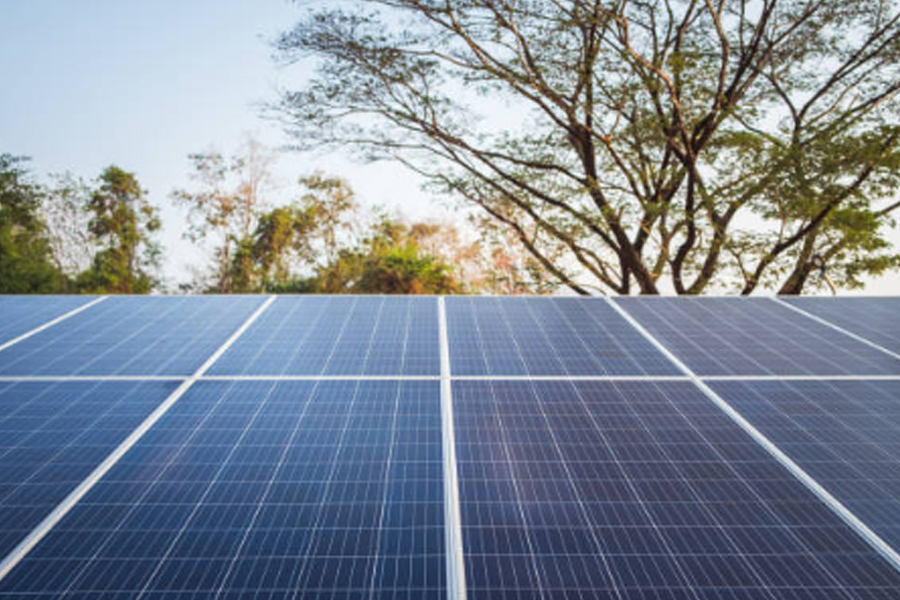
The core of new energy storage technology is to use energy storage equipment, such as energy storage batteries, photovoltaic battery energy storage cabinets, new energy energy storage cabinets, etc., to store excess energy and release it when needed. Taking the combination of photovoltaic panels and energy storage systems as an example, when there is sufficient sunlight during the day, photovoltaic panels convert solar energy into electricity. In addition to meeting the immediate electricity demand, the remaining electricity is stored in the energy storage battery. When night falls or when it is cloudy and the sunlight is insufficient, the energy storage battery releases the stored electric energy to ensure the continuity of power supply. From this perspective, new energy storage technology can effectively adjust the time distribution of energy, alleviate the intermittent problem of new energy power generation to a certain extent, and ensure the stability of energy supply.
From a positive perspective, new energy storage technology does provide strong support for solving energy shortages. In some remote areas, new energy storage cabinets are equipped with photovoltaic panels, enabling local residents to use solar energy and store it to meet their daily electricity needs and reduce their dependence on traditional energy. In terms of large-scale energy storage, energy storage equipment can be combined with wind farms, solar power stations, etc. to store excess electricity and release it when energy demand peaks or new energy power generation is insufficient, thereby enhancing the reliability of energy supply.
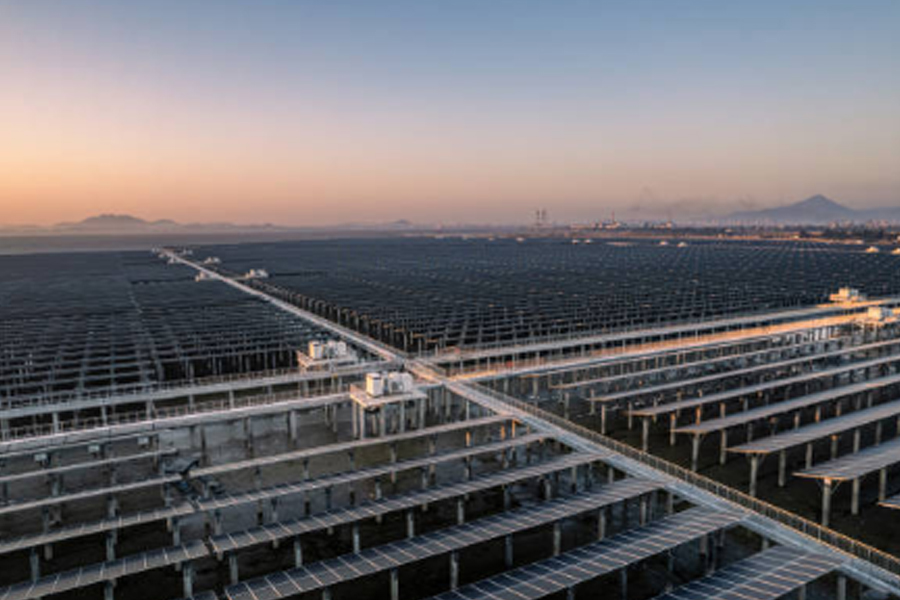
However, new energy storage technology cannot completely solve the problem of energy shortage at present. First, cost is a major obstacle. The manufacturing, installation and maintenance costs of energy storage equipment are high. Whether it is the research and development and production of energy storage batteries or the purchase of photovoltaic battery energy storage cabinets, a large amount of capital investment is required, which limits its large-scale application and promotion. Secondly, technical bottlenecks still exist. The energy density, charging and discharging efficiency, and service life of energy storage batteries still need to be improved. The current technical level is difficult to meet the needs of long-term and efficient energy storage. In addition, the energy shortage problem also involves multiple levels such as energy policy and energy consumption structure, and it is difficult to fully solve it by relying solely on energy storage technology.
New energy storage technology provides an important technical means to solve the problem of energy shortage, and plays a positive role in regulating energy supply and improving energy stability. However, to completely solve the problem of energy shortage, it is also necessary to reduce costs and break through technical bottlenecks while comprehensively considering energy policies, energy structure adjustments and other factors, and to achieve a multi-pronged approach to promote sustainable development in the energy field.