

Uneven energy distribution is mainly reflected in geographical distribution and time distribution. From a geographical perspective, the distribution of new energy resources such as solar energy and wind energy on the earth is extremely uneven. Some regions have sufficient sunshine and strong wind, which is suitable for large-scale development of new energy. For example, desert areas have abundant solar energy resources; while some regions are resource-poor and it is difficult to rely on local resources to meet energy needs. In terms of time dimension, the generation of new energy is intermittent. For example, solar energy is only generated when there is light during the day, and wind energy depends on wind conditions, which is inconsistent with the continuity and stability of energy demand.
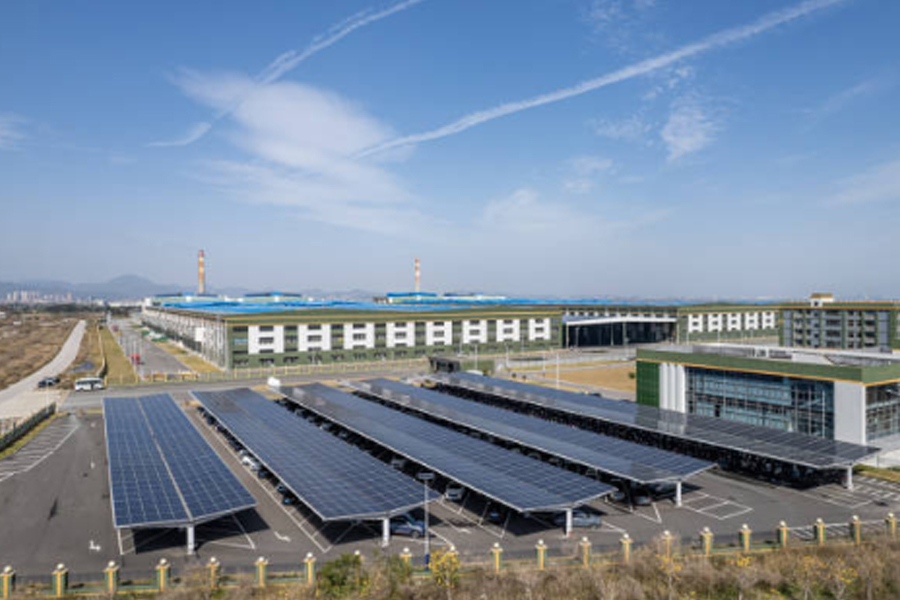
The core of new energy storage technology is to store excess energy through energy storage equipment, such as energy storage batteries, photovoltaic battery energy storage cabinets, new energy energy storage cabinets, etc., and release it when needed. Taking the combination of photovoltaic panels and energy storage systems as an example, during the day, photovoltaic panels convert solar energy into electrical energy. In addition to meeting immediate electricity demand, the remaining electrical energy is stored in energy storage batteries. When the light is insufficient at night or on cloudy days, the energy storage batteries release the electrical energy to ensure the continuity of power supply.
In theory, new energy storage technology has great potential in improving the une
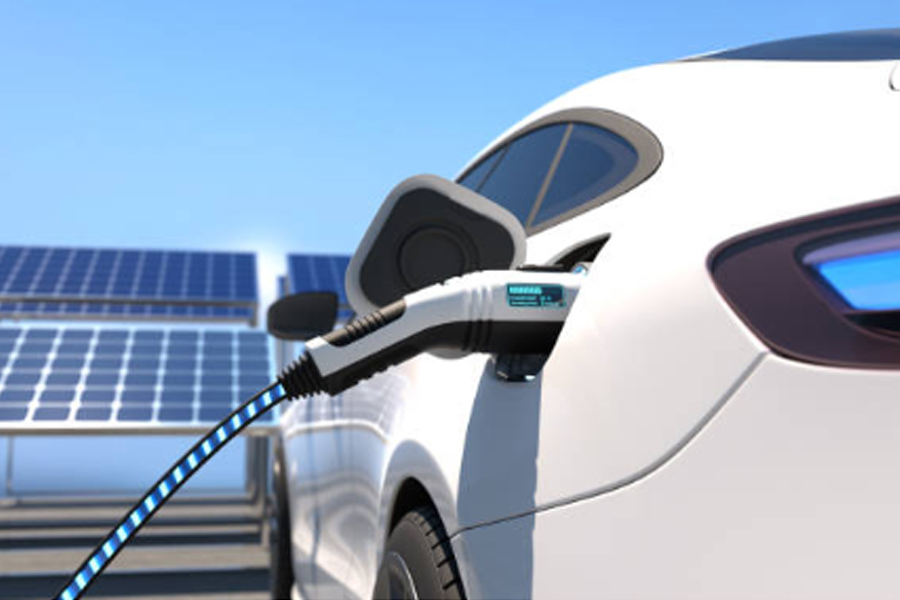
ven distribution of energy. In terms of uneven geographical distribution, it can enable energy-rich areas to store excess new energy and transmit it to energy-deficient areas through the transmission network. For example, in the western region with abundant solar energy resources, photovoltaic battery energy storage cabinets are used to store electrical energy, and then it is transmitted to the eastern region with high energy demand to alleviate the imbalance between energy supply and demand. In terms of uneven time distribution, energy storage technology can effectively regulate the intermittent nature of new energy, store energy in the "rich" period, and use it when energy is insufficient, so as to achieve a reasonable distribution of energy in time.
However, new energy storage technology still faces many challenges to truly break the current situation of uneven energy distribution. The cost issue is the primary obstacle. At present, the price of energy storage equipment is relatively high. Whether it is the manufacture of energy storage batteries or the purchase and maintenance of photovoltaic battery energy storage cabinets and new energy energy storage cabinets, a large amount of capital investment is required, which limits its large-scale application. Technical bottlenecks cannot be ignored. The energy density, charging and discharging efficiency, and service life of energy storage batteries still need to be improved. In addition, there are still difficulties in the integration of energy storage technology with the existing energy transmission and distribution system. The grid infrastructure needs to be upgraded and renovated to adapt to the new requirements after the energy storage equipment is connected.
New energy storage technology provides a feasible path to break the current situation of uneven energy distribution, but to achieve this goal, greater progress needs to be made in reducing costs, breaking through technical bottlenecks, and improving the integration of energy systems. With the continuous advancement of technology and the gradual maturity of the industry, new energy storage technology is expected to play an important role in improving the global energy distribution pattern.