

In this article, we’ll explore how commercial ESS is powering smart cities and green infrastructure, the technologies involved, and why businesses and municipalities should invest in them.
Understanding Commercial ESS in the Context of Smart Cities
What Is a Commercial Energy Storage System?
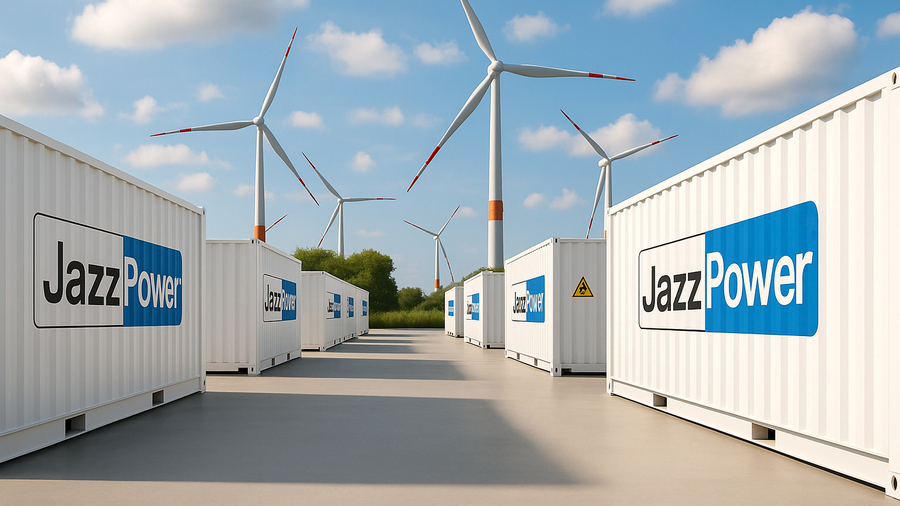
A Commercial Energy Storage System (ESS) is a large-scale battery storage solution designed for businesses, industries, and municipalities. It stores electrical energy from renewable or conventional sources and delivers it when needed, improving energy efficiency and cost savings.
These systems often use lithium-ion, sodium-sulfur, or flow battery technologies, with lithium-ion dominating the market due to its high efficiency, scalability, and decreasing costs.
Why ESS Matters in Smart Cities
Smart cities rely on data, automation, and sustainable technologies to optimize energy usage, reduce emissions, and improve quality of life. ESS plays a vital role by:
-
Balancing grid supply and demand.
-
Enabling higher penetration of renewables.
-
Reducing reliance on fossil-fuel peaker plants.
-
Providing backup power for critical infrastructure.
The Role of Commercial ESS in Renewable Energy Integration
Storing Solar and Wind Energy for Continuous Supply
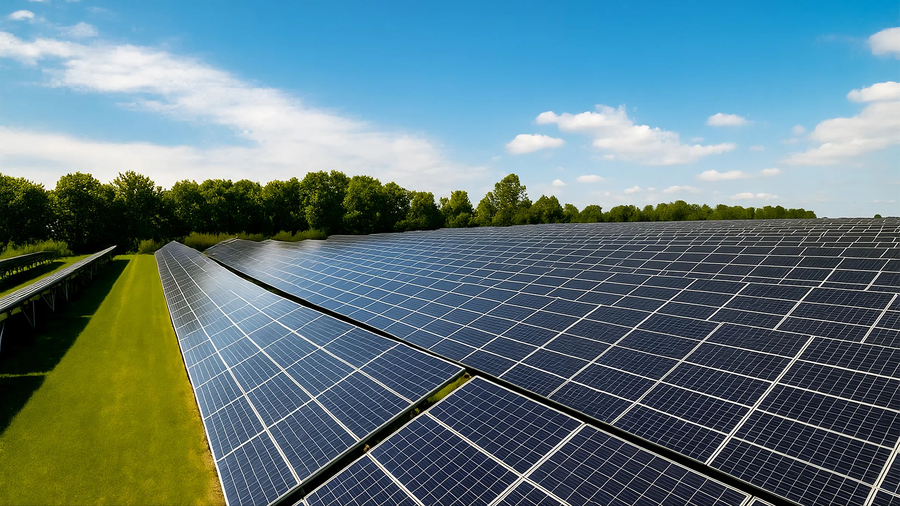
Renewable sources like solar and wind are intermittent. ESS bridges this gap by storing excess energy during periods of high generation and releasing it during low production hours.
For example, a commercial solar farm can use ESS to store midday surplus power and supply it to the grid during evening peak demand. This eliminates waste and maximizes the value of clean energy.
Reducing Curtailment of Renewable Generation
Without ESS, renewable generation often faces curtailment when the grid can’t absorb excess power. Storage systems prevent this by capturing surplus energy and using it later, ensuring no green energy is wasted.
Commercial ESS and Grid Resilience
Protecting Against Blackouts
ESS systems can act as a buffer during grid outages, supplying power to essential services like hospitals, data centers, and public transport systems. In regions prone to extreme weather, ESS adds a critical layer of resilience.
Supporting Microgrids and Islanded Operations
In smart city developments, microgrids—small-scale localized energy systems—are becoming more common. ESS enables these microgrids to operate independently when disconnected from the main grid, ensuring uninterrupted supply for communities and facilities.
Enhancing Energy Efficiency and Cost Savings
Peak Shaving and Demand Charge Reduction
Commercial electricity bills often include demand charges based on peak usage. ESS can discharge stored power during these high-demand periods, reducing peak demand and lowering operational costs.
Energy Arbitrage Opportunities
Businesses can charge ESS during low-cost, off-peak hours and discharge during expensive peak hours, creating substantial cost savings while relieving strain on the grid.
Driving the Transition to Green Infrastructure
Supporting Electric Vehicle (EV) Charging Networks
With the rise of electric mobility, cities require high-capacity charging infrastructure. ESS can store renewable energy for EV charging stations, reducing grid impact and promoting zero-emission transport.
Powering Smart Street Lighting and Public Facilities
By integrating ESS into municipal facilities, cities can power smart lighting systems, public Wi-Fi hubs, and environmental monitoring stations with clean, stored energy, further reducing carbon footprints.
Technological Innovations in Commercial ESS
Modular and Scalable Designs
Modern ESS solutions are designed to grow with demand. Modular systems allow cities and businesses to start with a manageable capacity and expand as their energy needs increase.
AI and IoT Integration for Intelligent Management
Artificial Intelligence (AI) and the Internet of Things (IoT) are transforming ESS management. Predictive analytics can optimize charging and discharging schedules, forecast demand spikes, and extend battery lifespan.
Challenges and Solutions in Commercial ESS Deployment
High Initial Investment
While costs have dropped, ESS installation can still be capital-intensive. However, government incentives, financing programs, and energy-as-a-service models are making adoption easier.
Battery Lifecycle and Recycling
Sustainability also depends on how batteries are managed at the end of life. Emerging recycling technologies and second-life applications are reducing waste and environmental impact.
The Future of ESS in Smart Cities
Policy Support and Incentives
Government policies promoting renewable integration and energy storage will accelerate ESS adoption. Carbon pricing and emissions regulations will make ESS even more attractive.
Expansion into Urban Infrastructure
In the coming decade, expect to see ESS integrated into public transportation systems, water treatment plants, and high-rise buildings—making energy storage an invisible but vital part of city life.
Conclusion
Commercial ESS is a transformative technology that enables cities to be smarter, greener, and more resilient. From renewable energy storage to powering electric mobility and critical infrastructure, ESS provides the foundation for sustainable urban living. As battery technology advances and costs decline, the role of commercial ESS in powering smart cities will only grow stronger.
By investing in ESS now, cities and businesses can future-proof their energy systems and lead the way toward a net-zero future.
FAQs
1. What is the lifespan of a commercial ESS?
Most lithium-ion ESS systems last 10–15 years, depending on usage and maintenance.
2. Can ESS work without renewable energy sources?
Yes, ESS can store grid electricity or power from generators, but pairing with renewables maximizes environmental benefits.
3. How large can commercial ESS systems be?
They can range from a few hundred kWh to several hundred MWh, depending on project needs.
4. Are commercial ESS systems safe?
Modern ESS designs include fire suppression, thermal management, and advanced monitoring to ensure safety.
5. How does JazzPower fit into the ESS market?
JazzPower offers tailored commercial ESS solutions that integrate seamlessly with smart city infrastructure, helping clients achieve sustainability goals.