
For any homeowner considering the switch to solar, understanding the role of the inverter is paramount. It’s more than just a piece of equipment; it’s the central nervous system that dictates your system’s performance, safety, and financial return. At JazzPower, where we are dedicated to advancing solar energy storage technology, we know that a high-quality inverter is the key that unlocks true energy independence and delivers the significant reductions you expect on your monthly electricity bills.
This comprehensive guide will illuminate the critical function of solar inverters, explore the different types available, and empower you to make an informed decision for your home energy future.
What Is a Solar Inverter and Why Is It Essential for Home Solar Power?
In the simplest terms, a solar inverter is a power converter. Your solar panels, also known as photovoltaic (PV) modules, harness photons from the sun and convert them into a form of electricity called Direct Current (DC). In DC electricity, the electrons flow in a single, continuous direction.
While DC power is perfect for being generated by panels and stored in batteries, it is not the type of electricity that powers your daily life. Your home's appliances—from the coffee maker and refrigerator to your lighting and entertainment systems—all run on Alternating Current (AC). In AC power, the electrical current rapidly reverses its direction, oscillating in a wave-like pattern. The utility grid that supplies electricity to our communities also operates on AC power.
This fundamental difference creates the need for a "translator" between the energy your panels produce and the energy your home uses.
Definition: A home solar inverter is a sophisticated electronic device that converts the variable Direct Current (DC) output from your solar panels into the stable, grid-compliant Alternating Current (AC) needed to power your home.
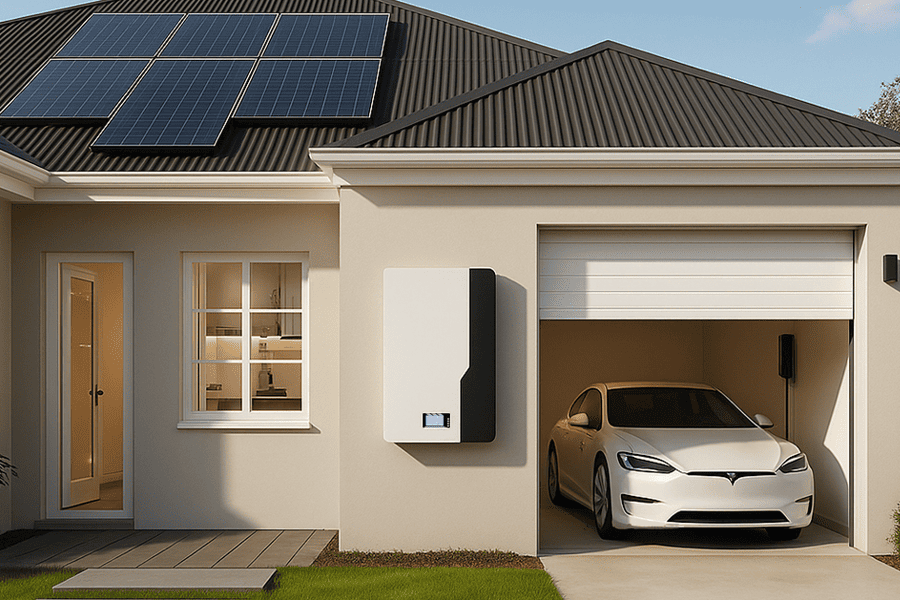
Without an inverter, the clean energy generated on your roof would be incompatible with your household appliances and the electrical grid. The inverter acts as the essential bridge, managing the flow of this converted energy. It intelligently directs power to where it's needed most: first to your active appliances, then to a solar battery for storage (if you have one), and finally, exporting any surplus power to the utility grid for credit. It is, unequivocally, the core component that makes a home solar system functional and valuable.
How Does a Home Solar Inverter Work? (DC to AC, MPPT, Safety Features)
A modern solar inverter is a masterpiece of engineering, performing several critical functions simultaneously to ensure your system is efficient, optimized, and above all, safe. Let’s explore its three primary responsibilities.
Core Function 1: Power Conversion (DC to AC)
The inverter’s foundational task is converting DC to AC power. It achieves this using a series of powerful, fast-acting transistors that essentially "chop up" the flat line of DC current, switching it on and off thousands of times per second to simulate an alternating pattern. This raw output is then passed through a series of inductors and capacitors that smooth it into a "pure sine wave." This clean, high-quality AC power is identical to what you receive from the utility grid, ensuring it is safe for even the most sensitive electronics in your home.
Core Function 2: Power Optimization with Maximum Power Point Tracking (MPPT)
The power output of a solar panel is not static; it varies continuously based on factors like the sun's intensity, ambient temperature, and shading from clouds or trees. To maximize your energy harvest, advanced inverters employ a crucial technology called Maximum Power Point Tracking (MPPT).
Think of an MPPT as a highly skilled financial advisor for your solar array, constantly working to maximize its return. It continuously scans the voltage and current of the solar panels to find the optimal operating point—the "maximum power point"—where the combination of volts and amps yields the most watts. By constantly adjusting to this sweet spot, an inverter with MPPT can boost the energy harvest of your system by up to 30% compared to systems without it, especially in conditions with variable sunlight. This directly translates to more usable energy and greater savings.
Core Function 3: Grid Interaction and Critical Safety Features (Anti-Islanding)
For any solar system connected to the utility grid, safety is a non-negotiable priority. Inverters are legally required to include a vital safety feature known as anti-islanding protection.
An "island" is a hazardous condition where a home's solar system continues to feed power back onto the grid during a general power outage. This can energize downed power lines, creating a deadly, unseen risk for utility workers attempting to make repairs.
To prevent this, your inverter constantly monitors the grid's voltage and frequency. If it detects any instability, such as the signal loss that occurs during a blackout, it will automatically disconnect from the grid and cease sending out power in milliseconds. This feature ensures the safety of utility personnel and is a cornerstone of any certified, grid-tied solar installation.
Types of Home Solar Inverters: Grid-Tied, Off-Grid, Hybrid, and Microinverters
The type of inverter you choose will define your solar system's capabilities. This decision depends on your goals, whether it's maximum savings, energy resilience, or complete independence. As experts in solar energy storage, JazzPower helps customers navigate these options to find the perfect match.
A. Grid-Tied Inverters (String Inverters)
This is the most common and historically popular type of inverter for residential and commercial solar systems.
● How They Work: Solar panels are wired together in series to form a "string," which feeds its combined DC power into a single, central inverter. The inverter converts the power to AC and sends it to your home's electrical panel. It operates in sync with the utility grid, allowing you to draw power when needed and send excess power back for credit (net metering).
● Pros:
○ Most cost-effective option, offering the lowest upfront cost per watt.
○ Highly reliable and efficient technology that has been refined over decades.
○ Simple installation and maintenance.
● Cons:
○ No backup power. Due to the anti-islanding safety feature, if the grid goes down, the inverter shuts down, and your home loses power.
○ A single point of failure; if the central inverter fails, the entire system stops producing power.
○ Performance can be limited by the weakest panel in a string (e.g., if one panel is shaded, it can reduce the output of the entire string).
● Typical Use Case: Homeowners in areas with a reliable utility grid whose primary objective is to lower their electricity bills through net metering.
B. Off-Grid Inverters
Designed for complete autonomy, off-grid inverters are the heart of standalone power systems.
● How They Work: An off-grid inverter draws DC power exclusively from a battery bank, which is charged by solar panels. It is not connected to the utility grid in any way. It requires a charge controller to manage the energy flowing from the panels to the batteries to prevent overcharging.
● Pros:
○ Provides 100% energy independence and freedom from utility companies.
○ The only viable option for providing power to remote properties, cabins, or facilities without grid access.
● Cons:
○ Significantly higher cost due to the necessity of a large, expensive battery bank and other balance-of-system components.
○ Requires careful energy management and lifestyle adjustments to avoid depleting the batteries.
○ System design and maintenance are more complex.
● Typical Use Case: Remote residences or critical facilities where grid connection is impossible or prohibitively expensive.
C. Hybrid Inverters (The Modern Standard)
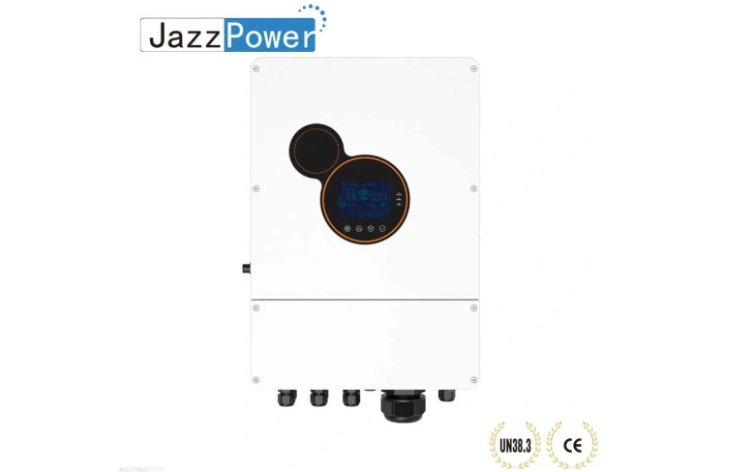
Hybrid inverters represent the evolution of solar technology and are a core focus of JazzPower's energy storage solutions. They intelligently combine the functionalities of grid-tied and off-grid inverters.
● How They Work: A hybrid inverter is a multi-mode device that can manage power from solar panels, a solar battery, and the utility grid simultaneously. It can power your home, charge your batteries with excess solar energy, pull from the batteries during an outage, and still export power to the grid.
● Pros:
○ Energy Resilience: Provides seamless backup power to essential appliances during a grid outage.
○ Maximizes Self-Consumption: Stores surplus solar energy generated during the day for use in the evening, drastically reducing your reliance on purchasing grid power.
○ Future-Proof: Allows you to start with a grid-tied system and easily add batteries later without needing a new inverter.
○ Offers advanced energy management features for ultimate control over your power.
● Cons:
○ Higher initial cost than a standard grid-tied inverter (though this is offset by greater savings and resilience).
● Typical Use Case: The ideal solution for the modern homeowner who wants to lower their bills, protect their family from power outages, and maximize the use of their own clean energy.
D. Microinverters & Power Optimizers (Module-Level Power Electronics)
These technologies take a different approach by optimizing power at the individual panel level.
● How They Work:
○ Microinverters: A small inverter is installed on the back of each solar panel, converting DC to AC right at the source.
○ Power Optimizers: A small DC-to-DC converter is installed on each panel to optimize its output before sending the power to a central string inverter for AC conversion.
● Pros:
○ Superior Performance: Mitigates the impact of shading, soiling, or panel mismatch, as the underperformance of one panel does not affect the others.
○ Panel-Level Monitoring: Allows you to track the performance of each individual panel.
○ Enhanced Safety: Microinverters eliminate high-voltage DC wiring on your roof.
○ Design Flexibility & Scalability: Excellent for complex roofs with multiple angles and easy to expand one panel at a time.
● Cons:
○ Higher upfront equipment cost compared to a standard string inverter system.
○ More components on the roof could potentially mean more complex maintenance.
● Typical Use Case: Homes with complex roof layouts, intermittent shading issues, or for homeowners who want the most granular data and highest possible energy harvest from their system.
|
Inverter Type |
Key Feature |
Backup Power? |
Best For... |
JazzPower's Take |
|
Grid-Tied |
Simple grid connection |
No |
Maximum ROI in areas with a stable grid. |
A solid, cost-effective entry point to solar. |
|
Off-Grid |
Total grid independence |
Yes (required) |
Remote properties with no grid access. |
The ultimate solution for true energy autonomy. |
|
Hybrid |
Grid, Panels & Battery |
Yes |
Savings, backup power, and energy management. |
The premier choice for modern energy resilience and savings. |
|
Microinverters |
Per-panel conversion |
No (unless paired with AC battery) |
Complex roofs and maximizing energy harvest. |
Excellent for overcoming site challenges and optimizing performance. |
How Home Solar Inverters Save You Money and Reduce Carbon Emissions
Your inverter is not just a technical component; it's a financial engine that actively works to lower your costs and environmental impact.
Harnessing Net Metering for Bill Reduction
Net metering is a billing mechanism that allows solar system owners to get credit for the excess electricity they add to the grid. Your inverter is the gatekeeper that makes this possible.
1. Prioritize Self-Consumption: Your smart inverter first directs all converted solar power to your home, offsetting the electricity you would otherwise have to buy.
2. Export for Credits: When your panels produce more power than your home is consuming, the inverter sends this surplus energy to the utility grid. Your utility meter spins backward (figuratively), and you accumulate credits on your account.
3. Reduce Your Bill: At night or on cloudy days, you draw power from the grid as usual. The credits you earned from exporting energy are then applied to your bill, dramatically reducing or even eliminating your monthly payment. A high-efficiency inverter with effective MPPT ensures you generate the maximum possible surplus to export.
Contribution to a Greener, More Sustainable Home
Every kilowatt-hour (kWh) of electricity your inverter produces from sunlight is a kilowatt-hour that doesn't need to be generated by a fossil-fuel-burning power plant. This has a direct and measurable positive impact on the environment. A typical 6kW residential solar system can prevent over 5 tons of carbon dioxide (CO2) from entering the atmosphere each year. Over the 25-year life of the system, that’s equivalent to taking more than 25 cars off the road. By choosing a durable, high-quality inverter, you are locking in decades of clean energy production for your family and community.
Top Tips for Selecting the Right Home Solar Inverter Brand and Model
Investing in a solar inverter is a long-term commitment. Choosing the right one is crucial for the overall health and productivity of your system. Here are the key factors JazzPower advises you to consider:
1. Efficiency Ratings: Look beyond "peak efficiency." A more telling metric is the CEC (California Energy Commission) or European Weighted Efficiency. This value represents the inverter's average performance across a range of real-world power levels and temperatures, giving you a much better indication of its day-to-day energy conversion capability.
2. Warranty and Reliability: A standard string inverter warranty is 10-12 years, while premium brands and microinverters often offer 20-25 year warranties. A longer warranty is a direct reflection of the manufacturer's confidence in the quality of their components and manufacturing process.
3. Scalability (Future-Proofing): Your energy needs might change. Will you buy an electric vehicle? Add an extension to your home? Choose a system that can grow with you. Hybrid inverters are inherently scalable, allowing for the easy addition of batteries. Microinverter systems are also highly scalable, as you can add new panels one at a time.
4. Monitoring and Connectivity: A top-tier inverter should come with a robust, user-friendly monitoring platform (usually a smartphone app or web portal). This allows you to track your system’s energy production and your home's consumption in real-time, helping you optimize your energy use and quickly identify any performance issues.
5. Brand Reputation and Technical Support: Opt for well-established, "bankable" manufacturers with a proven track record of reliability and strong customer support. At JazzPower, we exclusively partner with leading inverter brands that stand behind their products.
6. Prioritize Advanced Technology: For any new installation today, we strongly recommend homeowners evaluate hybrid inverters. The added benefit of backup power and energy storage provides a level of security and long-term value that makes it the wisest investment for the future.
Conclusion: Making the Most of Your Home Solar System with the Right Inverter
While solar panels may be the most visible part of a home energy system, the inverter is undoubtedly the most critical. It is the intelligent, hard-working heart that safely transforms raw sunlight into the power that runs your life, drives your savings, and secures your energy independence.
The journey to solar is an investment in your home's future. The quality, type, and capabilities of your inverter will determine the performance of that investment for decades to come. From maximizing your financial return through hyper-efficient energy conversion to providing your family with invaluable peace of mind during a power outage, the right inverter makes all the difference.
Ready to unlock the full potential of solar power?
Don't navigate the world of solar technology alone. The expert team at JazzPower is here to guide you. As specialists in advanced solar and energy storage applications, we are passionate about designing systems that deliver maximum performance, reliability, and value.
Contact JazzPower today for a complimentary, in-depth consultation. Let our engineers help you select the perfect inverter and build a custom solar solution that empowers your home for years to come.