

The industrial energy storage system is a new type of electrical equipment that combines new batteries, intelligent control and energy management. According to the storage, adjustment and release of electric energy, it handles the problem of inconsistent energy supply and demand in industrial scenarios. As a key node of the energy Internet, its main function is to smooth the ups and downs of power supply, improve energy utilization and ensure the reliability of power supply. When consistent with the photovoltaic power generation system, it can effectively consume renewable resources, expand scene applications, and become a key infrastructure to promote industrial low-carbon transformation.
The technical system of the industrial energy storage system is based on the industrial energy storage system. On this basis, the digital management platform security module "security module" and "security module" can not only provide stable power applications for independent industrial scenarios, but also establish a cooperative network with photovoltaic and power grids to promote the construction of an integrated intelligent energy ecology of "source-grid-load-storage".
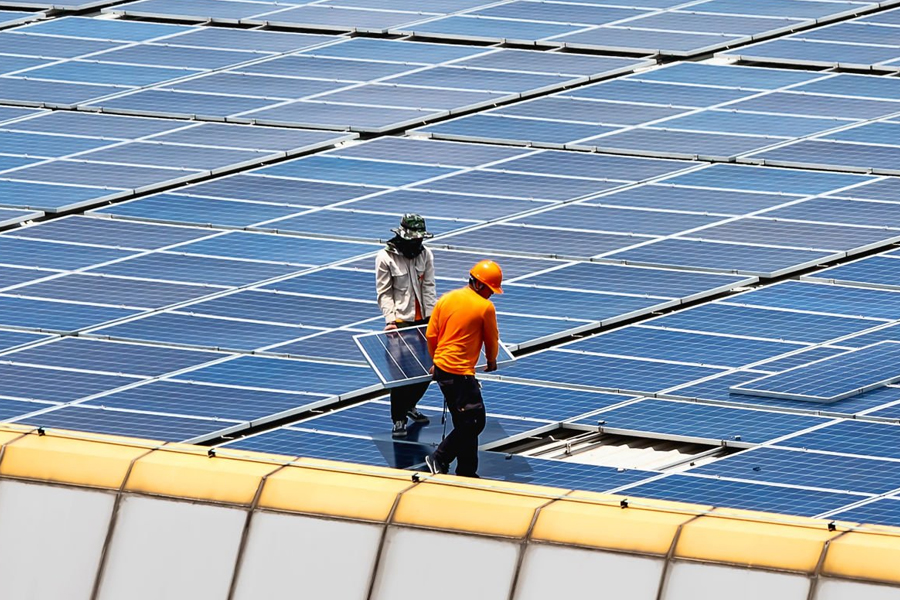
Analysis of the three core functions of the industrial energy storage system
1. Balance adjustment of power supply and demand: the importance of cracking the peak-valley difference
Industrial production often encounters problems with peak-valley electricity price differences and instantaneous load fluctuations in the power grid. According to the energy storage system, "peak shaving and valley filling" has dual value:
● Peak power dispatching: releasing stored power during peak power consumption periods (such as working days) 10-16 o'clock), reducing grid pressure and reducing corporate electricity costs;
● Kinetic energy reserve: charging during the night low-valley electricity price period (such as the night low-valley electricity price period (such as the night low-valley electricity price period) 23 o'clock - 6 o'clock the next day) to convert cheap electricity into usable energy for production, which can reduce the typical scenario 15%-20% of peak power dependence.
Core component battery management system battery management system (BMS) monitors the battery status in real time according to the optimization of charging and discharging strategies (such as constant current charging, voltage-stabilized discharge), ensures that the energy conversion efficiency remains above 95%, and prevents energy consumption problems of traditional backup power supplies.
2. Power supply reliability guarantee: "safety net" for building industrial electricity use
According to the strict requirements of industrial scenarios for continuous power supply, the energy storage system has been double-maintained:
● Short-term emergency power supply: When the power grid fails or there is a momentary power outage, the ms is converted to the pre-buried mode to ensure the continuous operation of key equipment (such as automatic assembly lines, data centers), avoiding power outages and equipment damage;
● Power quality improvement: According to the dynamic management output parameters of the inverter, the grid harmonics are filtered out (THD≤5%), the voltage fluctuation is stable (±2% internal), and the power quality sensitive loads of instruments and semiconductor equipment are cleaned.
Modular energy storage cabinets can be flexibly arranged according to the area of industrial plants, and the single-machine capacity covers 50kWh-1MWh, meeting the differentiated needs from small workshops to large factories.
3. Renewable resource consumption: Promote industrial low-carbon transformation
Under the "dual carbon" goal, energy storage systems have become the key media for consuming clean energy such as wind power and photovoltaics in industrial applications:
● Intermittent power smoothing: Export the instability of photovoltaic power stations (power fluctuations) ±30%) into stable electricity (fluctuations) ≤5%) Renewable resources handle the "abandonment" difficulties;
● Distributed energy network: Combined with the factory photovoltaic system to form a microgrid, the distributed energy network "self-generation and self-use of surplus electricity storage" typical industrial areas can improve the localized energy cycle and improve the utilization rate of renewable energy in typical industrial areas by more than 30%.
Analysis of synergy with photovoltaic power generation system
1. Photovoltaic export anti-aging: Photovoltaic export anti-aging: Photovoltaic export anti-aging: From "relying on the weather to generate electricity" to "on-demand energy supply"
The light damage of photovoltaic components has obvious fluctuations (such as cloudy days and only sunny days) 40%) The energy storage system adopts real-time dynamic interaction:
● Dynamic power distribution: According to the timely power generation of photovoltaics, the energy storage charging and discharging strategy is adjusted. When the sun is sufficient, the profitable electricity is stored first, and the energy storage power supply is released when the sun is insufficient to ensure the stability of the factory power supply curve;
● Time imbalance adjustment: During the daytime photovoltaic peak power generation period (99) o'clock - 15:00), the excess electricity is stored for nighttime production electricity consumption, dealing with the important differences of photovoltaic "power generation period and power consumption period inconsistency". Important differences.
2. Improve system efficiency: the practical significance of improving photovoltaics
In the past, in the independent operation of photovoltaic systems, due to the grid connection capacity and load characteristics, the actual utilization rate was generally less than 70%. According to the three major mechanisms, the efficiency of energy storage systems ranks:
● Capacity design: Match the energy storage capacity according to the photovoltaic installed capacity (generally matched according to the photovoltaic installed capacity) 1:0.5-1:1 configuration), to prevent the insufficient consumption of large photovoltaic and small energy storage or the waste of resources of "small photovoltaic energy storage";
● Multifunctional complementary operation: Connect the photovoltaic inverter and the grid dispatching system, calculate the best energy supply plan in real time (such as photovoltaic power supply priority) → energy storage discharge → improve the overall energy efficiency by more than 25%;
● Surplus power appreciation application: After storing the photovoltaic surplus power, it is used for peak power supply or participate in grid peak load trading to create additional income for enterprises.
3. Scenario application expansion: building diversified energy solutions
The cooperation between photovoltaic and energy storage has inspired three innovative application models:
● Industrial microgrid: In areas with insufficient power grids such as remote factories and border ports, "photovoltaic energy storage" independently supplies power according to the insufficient power grid situation, dealing with the high cost and low reliability of long-distance power transmission;
● Smart park energy core: As the key to park energy management, combined with rooftop photovoltaics, energy storage systems, charging piles and other facilities, promote the construction of "zero-carbon parks";
● Mobile energy storage application: Integrate modular energy storage cabinets and photovoltaic panels into the vehicle system to provide mobile green energy solutions for field work and temporary projects.
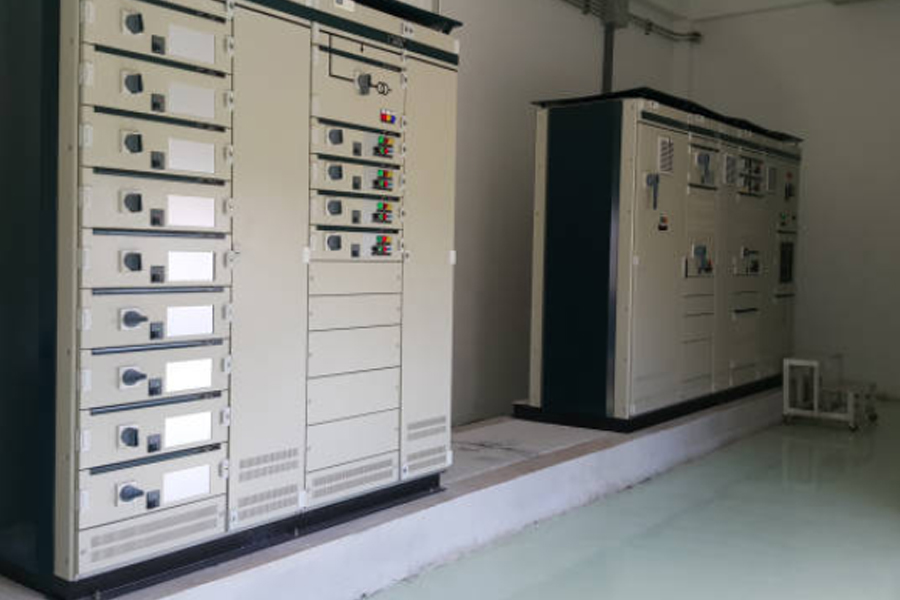
Main use analysis
1. Industrial production scenario: cost control and reliable dual drive
In continuous production industries such as mechanical processing and chemical manufacturing, energy storage systems manage the difference between peak and valley electricity prices to reduce electricity costs and ensure stable power supply for production lines. For example:
● Instantaneous high load in welding workshop (peak power exceeds quantitative quantity by 3 times) can be alleviated by energy storage pre-discharge;
● Micro voltage fluctuation in semiconductor clean room (requirement) ≤±1%) can meet strict standards by improving the quality of energy storage power.
2. Commercial public facilities: flexibly adapt to diversified needs
In scenarios such as commercial plazas and data centers, energy storage systems are combined with photovoltaics:
● Photovoltaic energy storage cabinets on the roof of office buildings to deal with the peak power consumption regulations during the day and reduce the investment in expanding the power grid;
● Distributed energy storage of 5G base stations, using photovoltaic power supply coexistence, to deal with the communication termination problem caused by power outages of base stations in remote areas.
3. Renewable resource power stations: improve grid-connected competitiveness
After the centralized photovoltaic power station is equipped with an energy storage system:
● The fluctuation of grid-connected power can be maintained within ±10% of the grid standard, and the grid-connected standard is strictly enforced;
● "Early launch and late use" is carried out according to energy storage adjustment, and photovoltaic power is converted into reasonable supply during the late peak period of the grid to increase the profit of the power station.
Chang Energy Storage Technology Reconstructs Industrial Energy Ecological Energy
Industrial energy storage systems are not only power safety equipment, but also pioneers in energy management mechanisms. Cooperation with photovoltaic systems breaks the time and space limitations of traditional energy supply, enabling industrial production to change from "relying on the power grid" to "independent control" and from "high-carbon electricity" to "low-carbon circulation".
With the acceleration of energy transformation, industrial energy storage systems are changing from "optional equipment" to "strategic necessities". With the continuous improvement of new batteries (such as sodium-ion batteries, solid-state batteries) and optimization algorithms, new leaps will be made in volume density, response speed and safety, helping to build more industrial scenarios of "efficient, reliable and green" energy supply. "Dual carbon" provides a solid technical guarantee for achieving the goal.