

Commercial and industrial energy storage systems (ESS) play a key role in modern energy management, storing and controlling the release of electrical energy to optimize energy use in various sectors, including industrial, commercial and residential. Energy storage systems are important in balancing power networks, enhancing the utilization of renewable energy sources and providing reliable backup power. This paper will provide an in-depth look at the components, applications and benefits of commercial and industrial energy storage systems.
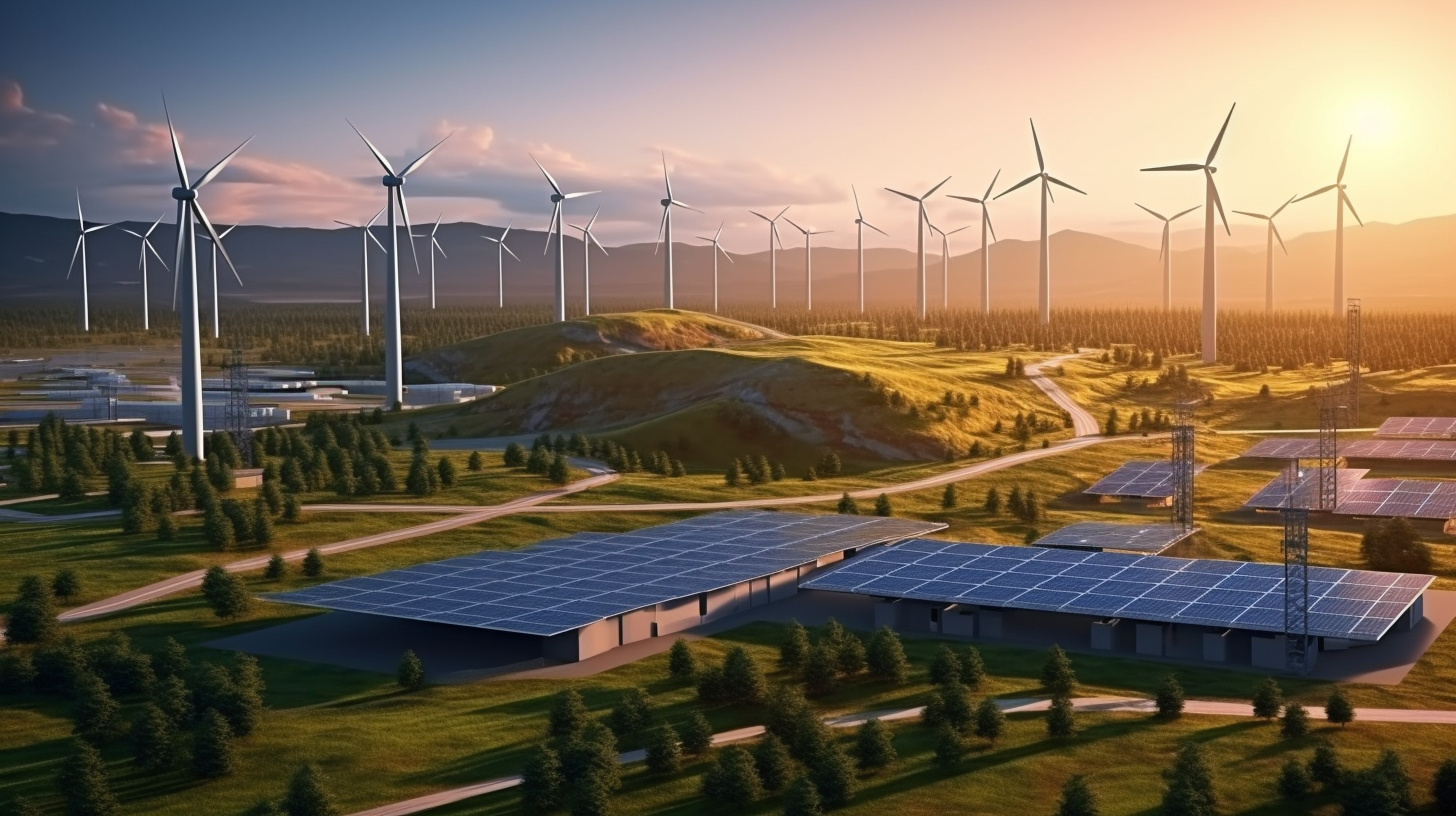
Components of a Commercial and Industrial Energy Storage System
A typical commercial and industrial energy storage system usually includes the following major components:
Battery pack: The battery pack is the core of the energy storage system and is used to store electrical energy. Depending on the application requirements and energy capacity, various types of batteries such as lithium-ion, lead-acid and flow batteries can be used.
Control system: The control system manages the charging and discharging process to ensure optimal performance and lifetime of the battery. It also integrates with other energy systems to balance power supply and demand.
Thermal management system: A thermal management system is essential to maintain the optimal operating temperature of the battery and ensure its safety and efficiency. It prevents overheating and manages the heat generated during the charge/discharge cycle.
Monitoring systems: Real-time monitoring of the energy storage system is essential to identify and resolve problems in a timely manner. Monitoring systems provide data on battery health, performance metrics and operational status to support proactive maintenance and management.

Applications of commercial and industrial energy storage systems
Commercial and industrial energy storage systems can be applied in a variety of scenarios, including but not limited to the following:
1. Balancing power networks
A major application of commercial and industrial energy storage systems is balancing power networks. During times of peak power demand, energy storage systems release stored power to meet increased loads, thereby stabilizing the grid. Conversely, at times of low demand, excess power can be stored in the system for future use.
2. New Energy Optimization
With the widespread adoption of renewable energy sources such as solar and wind, commercial and industrial energy storage systems help to store the power generated for future use. This ensures a steady supply of energy even when renewable energy sources are not active, thus enhancing the reliability and efficiency of renewable energy systems.
3. Load shifting and peak shaving
Commercial and industrial energy storage systems enable load shifting by storing electricity during periods of low demand (usually lower tariffs) and releasing it during periods of high demand. This practice, known as peak shaving, helps to reduce energy costs and ease the burden on the grid during peak hours.
4. Emergency Backup Power
In the event of a sudden power outage, commercial and industrial energy storage systems can be used as a backup power source to provide electrical support for critical operations. This is especially important in industries where even a brief power outage can result in significant economic loss or safety risks.
Benefits of Commercial and Industrial Energy Storage Systems
Implementing commercial and industrial energy storage systems brings many advantages, including:
1. Enhanced grid stability
By providing a buffer during periods of high demand and storing excess power during periods of low demand, energy storage systems contribute to a more stable and resilient grid. This helps prevent blackouts and reduces the need for expensive and inefficient peaker plants.
2. Increased utilization of renewable energy
Energy storage systems are able to store renewable energy so that it can be used when the sun or wind is not present. This maximizes the use of renewable resources and supports the transition to a sustainable energy future.
3. Cost savings
By shifting energy use to off-peak hours and reducing the need for expensive peak power, commercial and industrial energy storage systems can deliver significant cost savings. In addition, energy storage systems can reduce demand charges and defer the need for infrastructure upgrades.
4. Reliability and resilience
In critical applications that require uninterrupted power, such as healthcare facilities and data centers, commercial and industrial energy storage systems provide reliable backup power. This ensures continuous operations and enhances the ability of these facilities to withstand power interruptions.
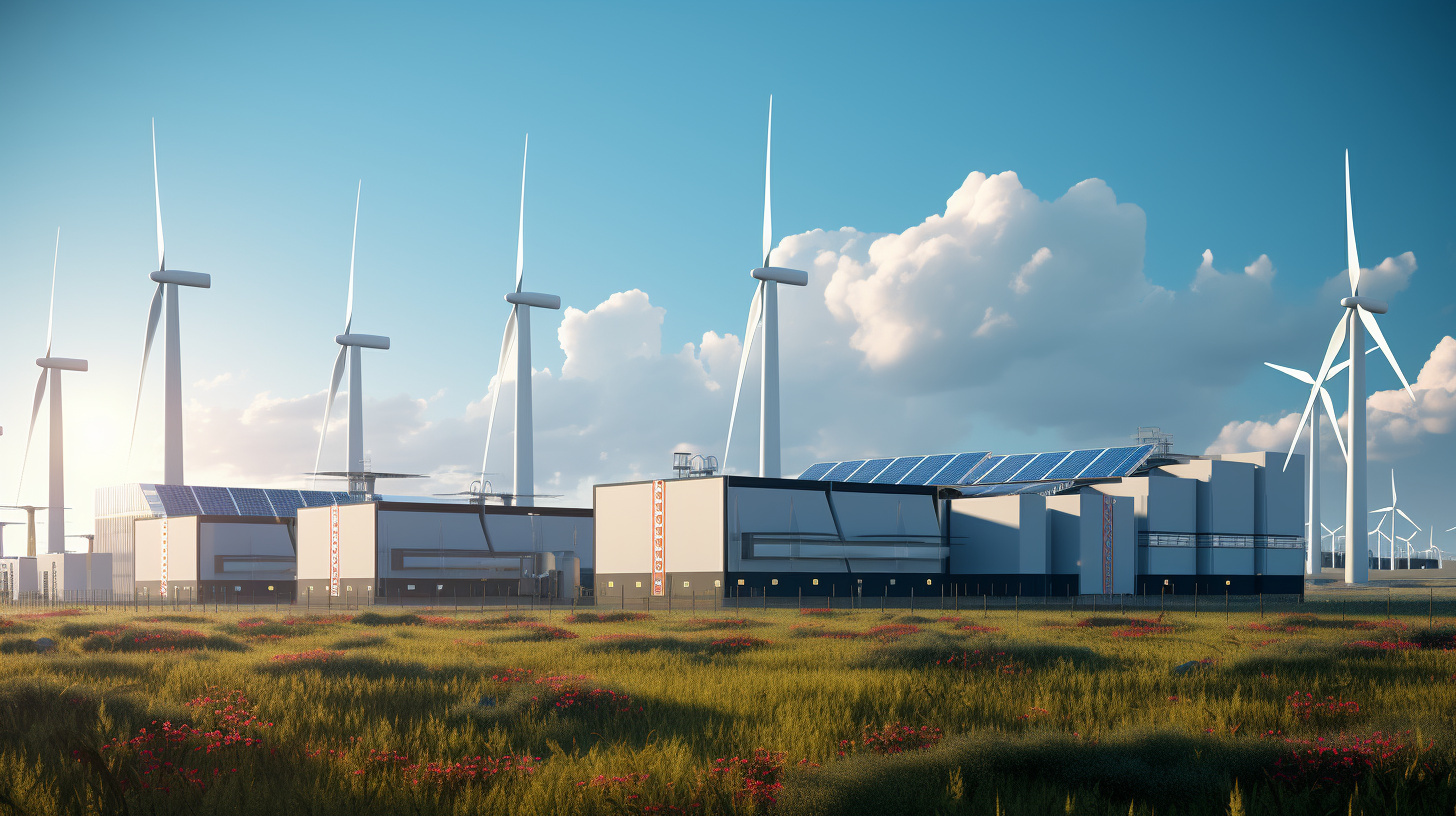 Zhuhai Chuntian Machinery Technology Co., Ltd.'s commercial and industrial energy storage systems have the ability to store and release large amounts of electricity, and these systems play a key role in balancing the power grid, boosting renewable energy utilization, and providing reliable backup power. As technology advances and renewable energy becomes more widespread, the role of commercial and industrial energy storage systems in realizing a sustainable and efficient energy future will become increasingly important.