

In the context of global energy transformation and sustainable development, energy storage technology is increasingly prominent. As a key device for storing and releasing electric energy, the energy storage cabinet is playing an increasingly vital role in the modern energy system.
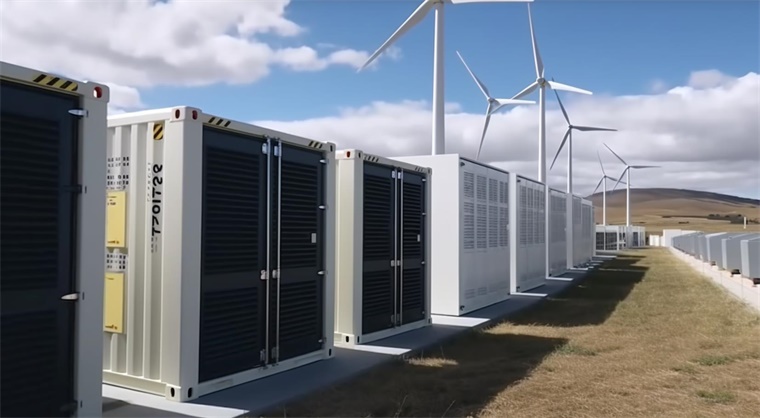
This paper will provide an in-depth analysis of the energy storage power cabinet's structure and its diverse applications, exploring its value and potential in the energy revolution.
The basic components of the energy storage power cabinet mainly include the battery pack, battery management system (BMS), energy management system (EMS), input and output interface (IOI), and auxiliary systems.
Battery Pack: The battery pack is a crucial part of the energy storage power cabinet's kinetic energy storage, typically composed of multiple battery modules connected in series or in parallel to achieve the required voltage and capacity. Various battery types, such as lithium, lead-acid, and sodium-sulfur batteries, each have unique characteristics regarding energy density, power, lifespan, and cost.
Battery Management System (BMS): The BMS serves as the intelligent control center of the energy storage power cabinet, monitoring and managing the battery pack's charge and discharge processes to ensure safe, stable, and efficient operation. The BMS monitors battery voltage, current, temperature, and other parameters in real-time, employing control strategies to prevent overcharge, overdischarge, overheating, and other issues.
Energy Management System (EMS): The EMS manages energy flow between the energy storage power cabinet and external systems. It optimizes energy storage and release strategies based on grid demand, price signals, system load, and other data to enhance energy efficiency.
Input and Output Interface (IOI): The IOI is the physical and electrical interface that connects the energy storage power cabinet to external power grids, loads, or charging equipment, including transformers, inverters, rectifiers, etc., facilitating the two-way flow and conversion of electric energy.
Auxiliary Systems: This includes heat dissipation, communication, and security protection systems, ensuring the normal operation and long-term stability of the energy storage power cabinet.
The application scenarios for energy storage power cabinets are extensive, ranging from grid regulation, new energy integration, emergency power supply, electric vehicle charging stations, to energy management for homes and businesses.
Power Grid Regulation: Energy storage power cabinets help balance the grid load and reduce peak-valley differences by storing excess power during off-peak hours for release during peak hours.
New Energy Integration: The cabinets store electricity generated from intermittent renewable sources like wind and solar, reducing waste and improving system stability.
Emergency Power Supply: In power outages or grid failures, energy storage power cabinets can quickly switch to an independent power supply mode, providing temporary power for critical equipment or systems.
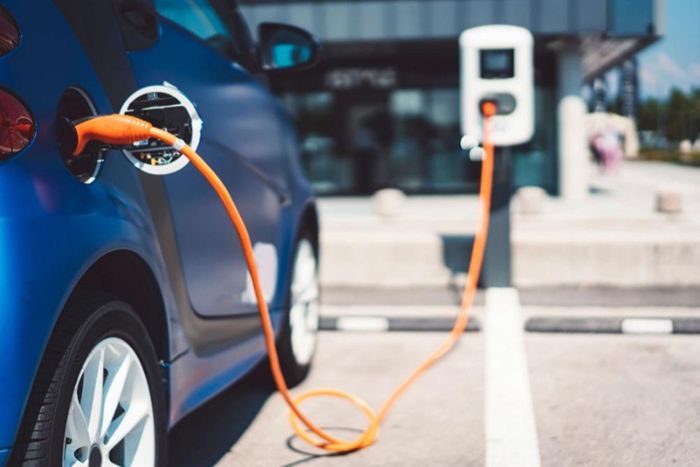
Electric Vehicle Charging Stations: As buffer devices, they reduce the impact of charging loads on the grid and improve charging efficiency.
Home and Business Energy Management: Cabinets can automatically adjust charge and discharge strategies based on electricity price fluctuations and user needs, reducing costs and enhancing energy autonomy.
With technological advancements and cost reductions, energy storage power cabinets are set to play a more significant role in energy storage and management. They show great potential and value, especially in promoting renewable energy applications, grid intelligence, and energy utilization efficiency.
Jazz Power has made significant contributions to the promotion and application of energy storage power cabinets through ongoing technological innovation and product development. Our continuously improving product system provides robust support for the energy storage system, playing a key role in energy transformation and sustainable development strategies due to its unique structure and broad application scenarios.
TAG: Commercial ESS, Residential ESS, EV Chargers